Previous Lessons and Student Work

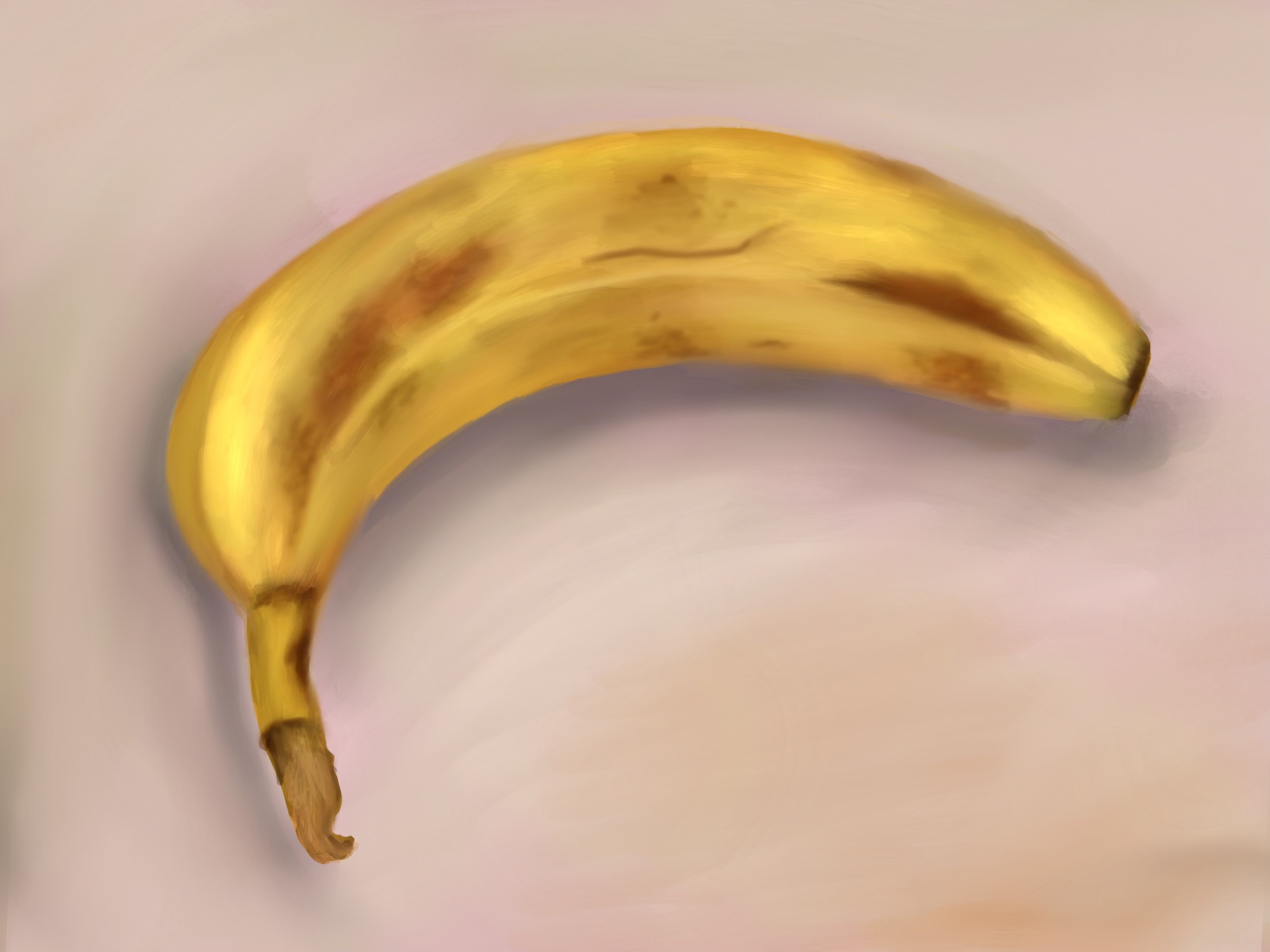

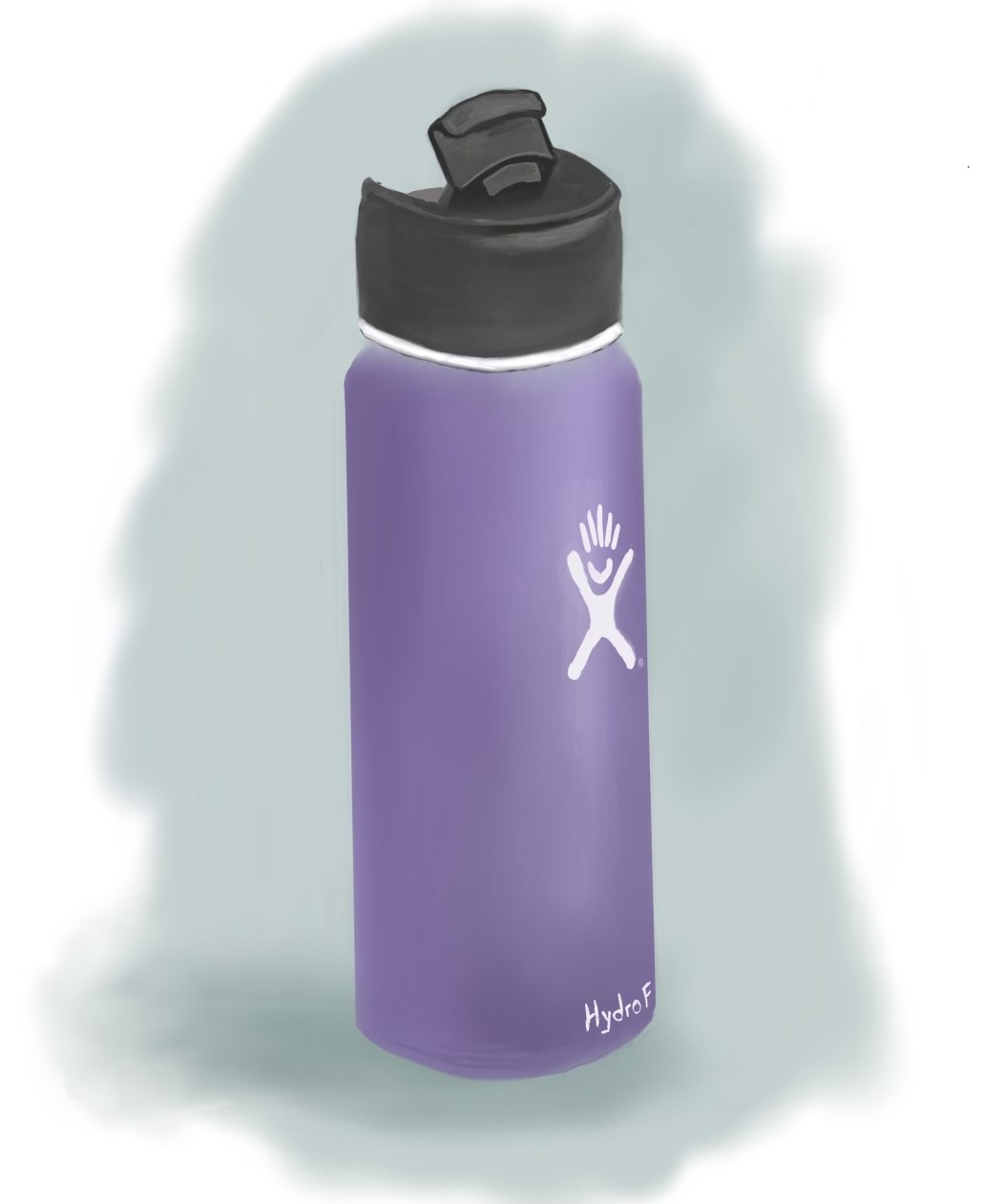
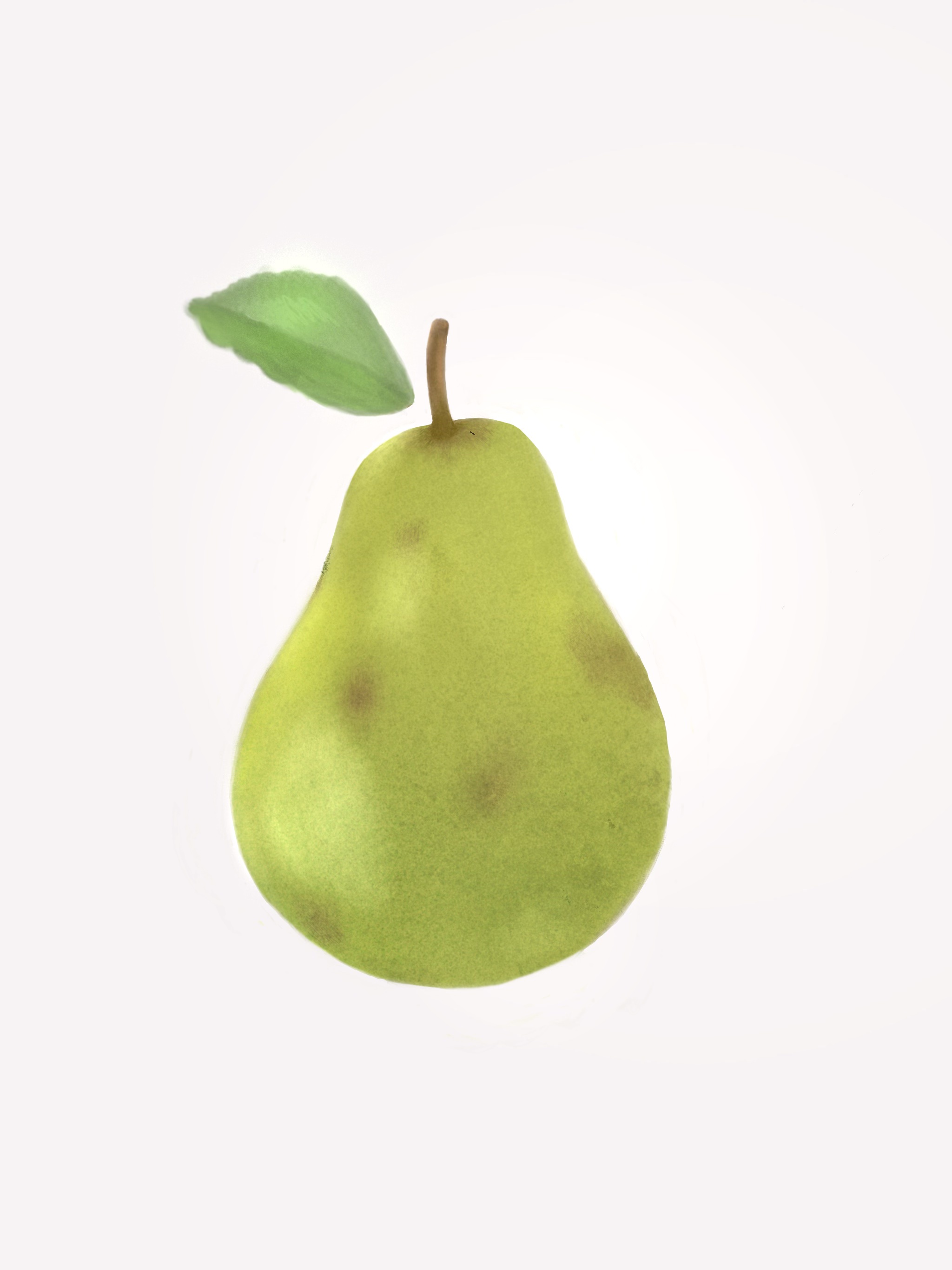
Drawing From Observation
One lesson I teach focuses on observational art skills, specifically drawing from life without a reference image. This lesson and exercise teaches the student how to interpret an object in space, accurately translate proportions into the picture plane, distinguish subtle variations in color, and more. The slideshow includes examples of student work: two images of the same banana made by students observing different angles, white eggs on a white sheet of paper challenge, and other objects from observation with no digital references.
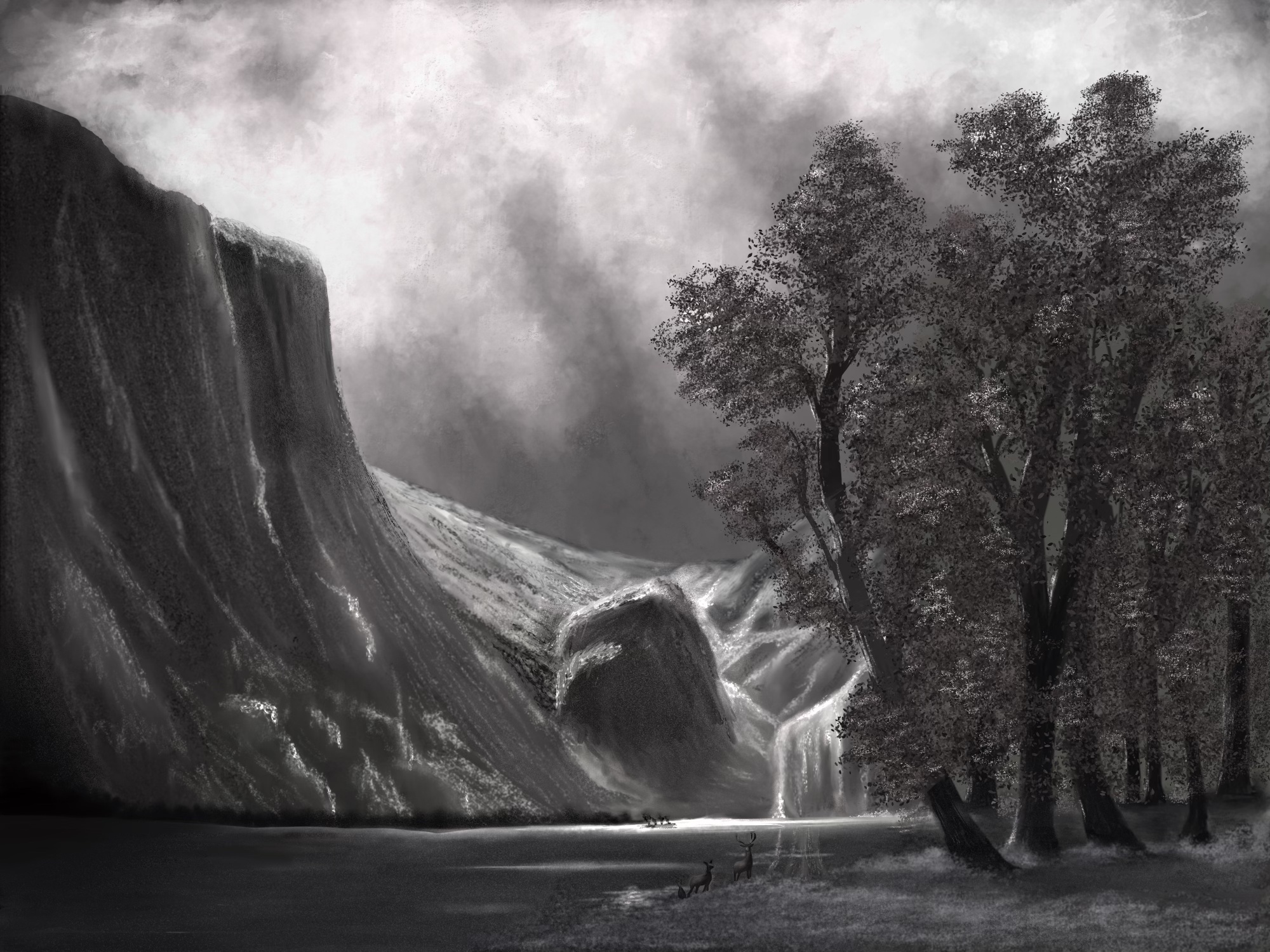
Student Master Study 
Artist Inspiration: Albert Bierstadt, “Yosemite Valley” (Value Only) 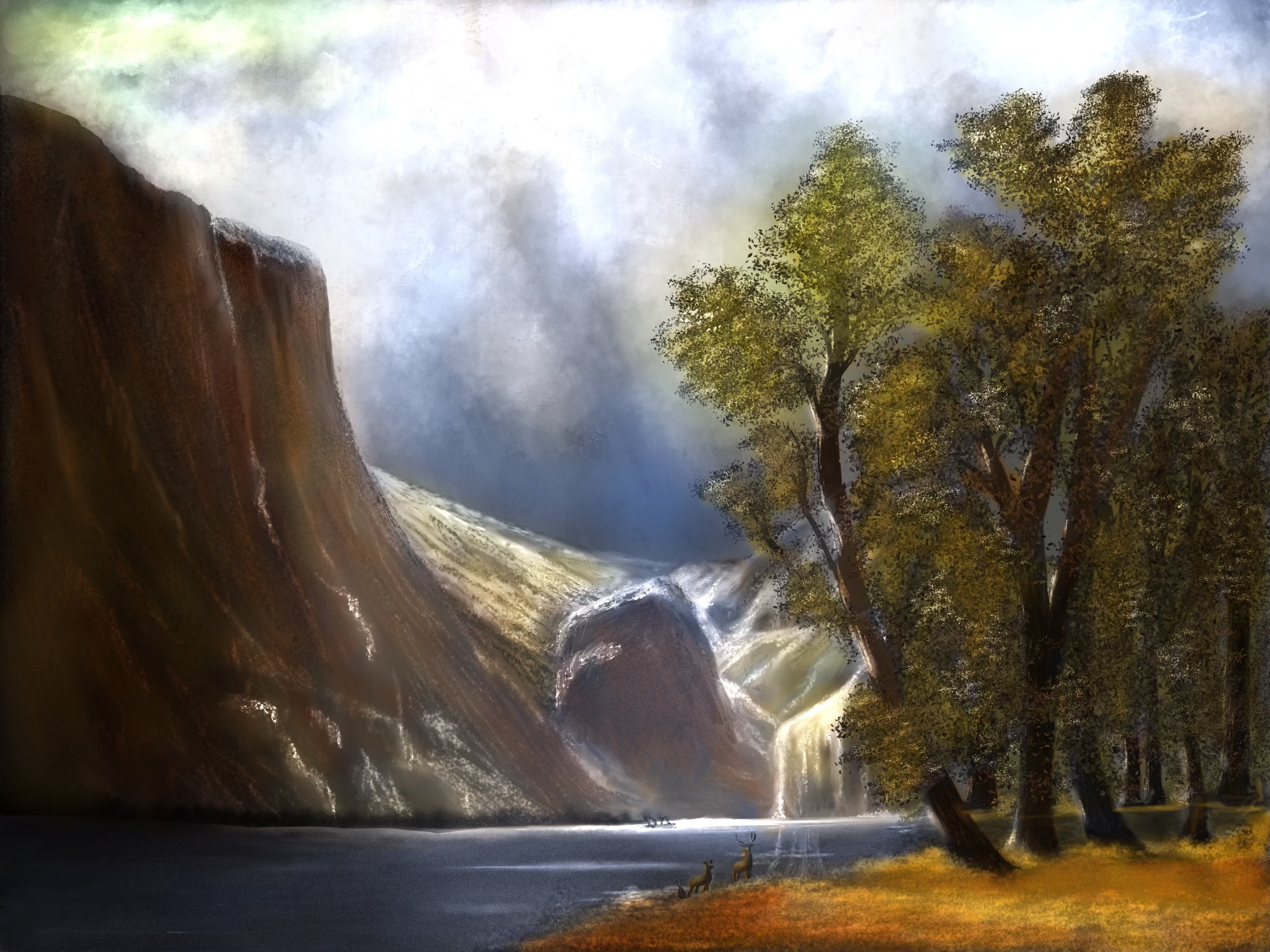
Student Master Study 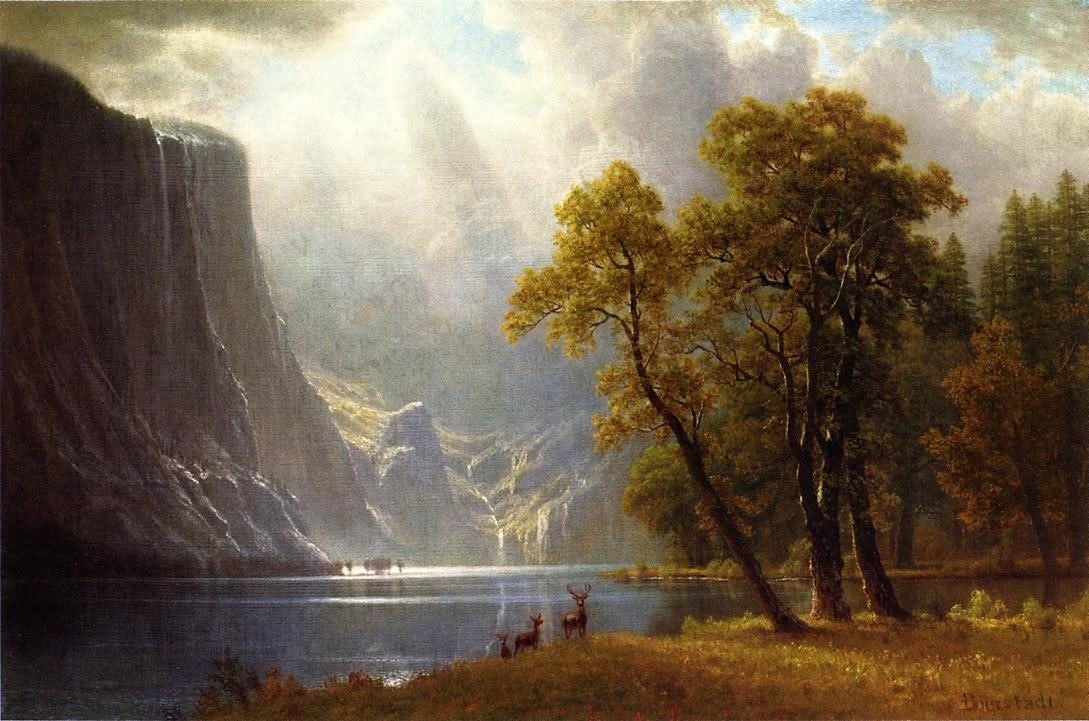
Artist Inspiration: Albert Bierstadt, “Yosemite Valley” 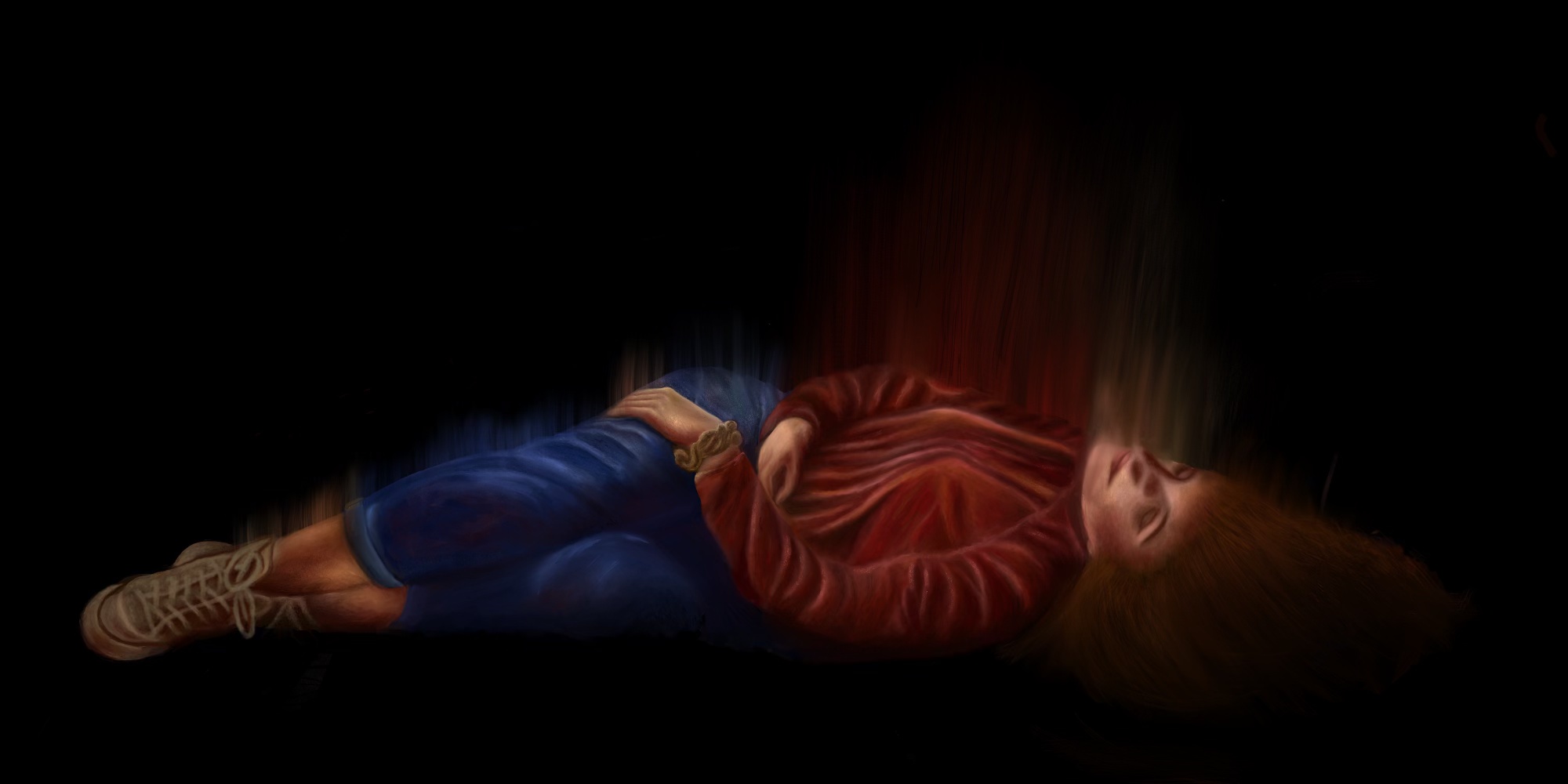
Student Artwork (a study of one of my own artworks) 
“I Loved You At Your Darkest” (Color Pencil, 2’x4′, 2019) 
Master Study Demo/Teacher Example
Master Study Exercise
Creating master copies is a great way to teach a student how to surpass existing drawing skills and step into the world of research and analysis. A student will make a diagram of the elements and principals in an existing artwork that was successful, then create a copy of that artwork in the same or a different media. Afterwards, they conduct an analysis of the experiment, focusing on what they observed about the elements/principles during the process, why it matters, and how it can be used in their own work. This is a lesson plan I came up with as an honors project in college, click here to see my assignment example that I conducted for that project.

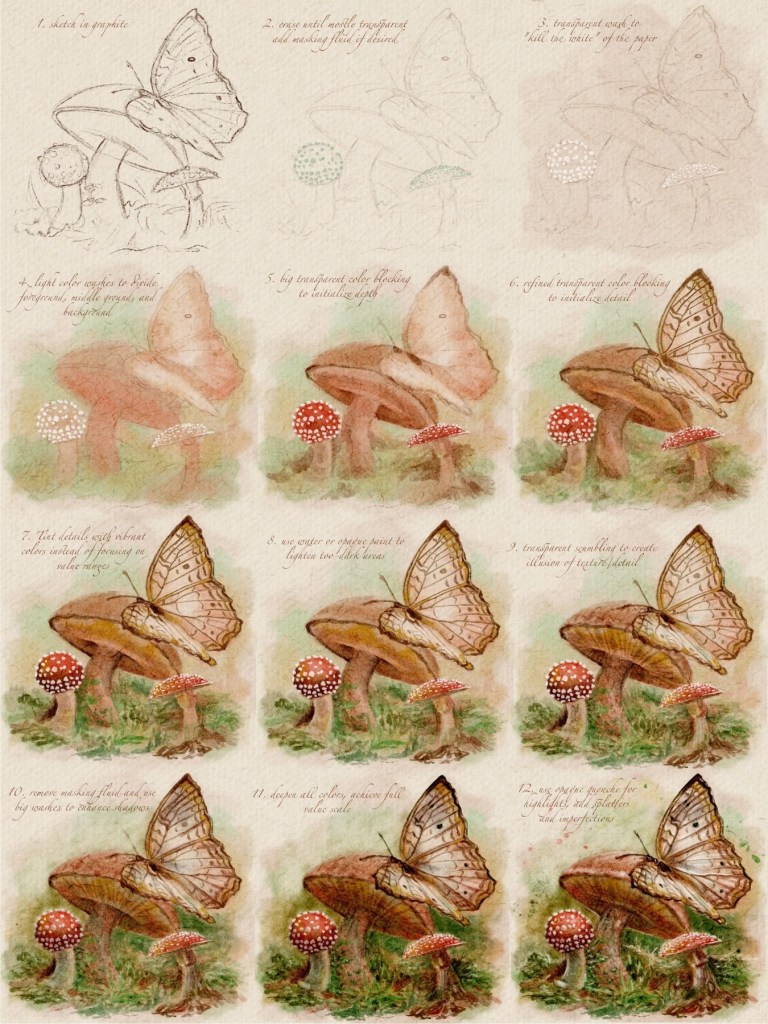


Process Investigation
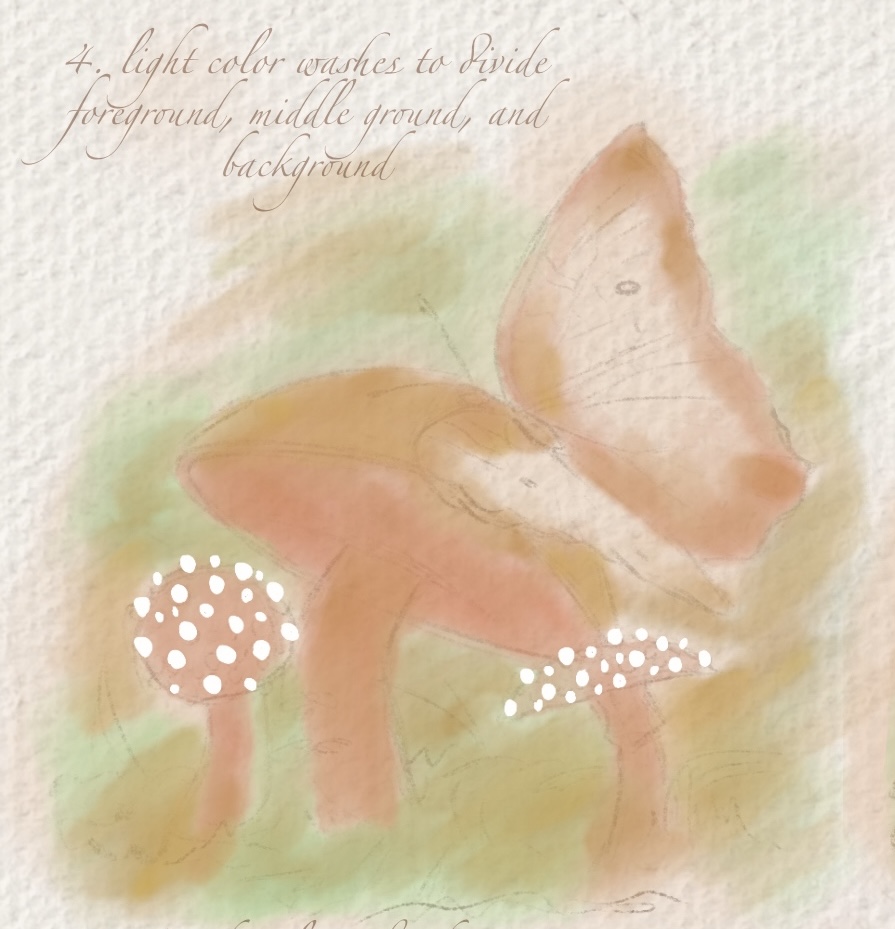
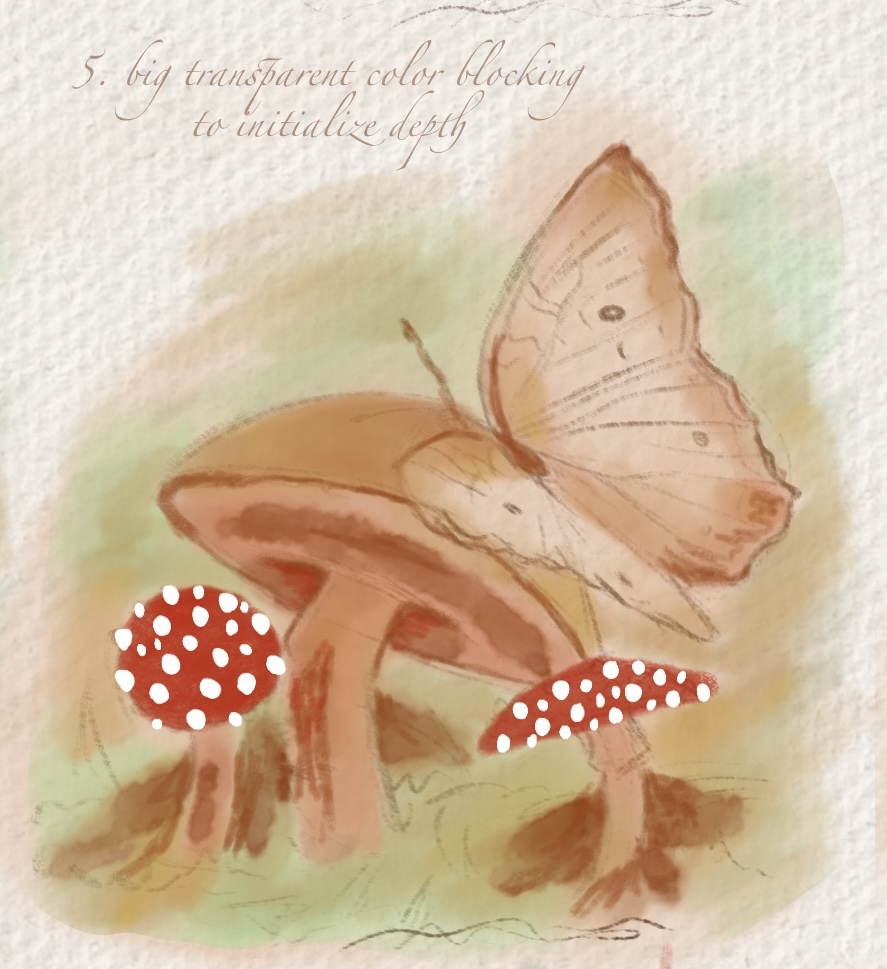
This is an example of how I approach teaching new media to a student. This was a digital media student who wanted to learn how to create watercolor-like illustrations in Photoshop. The full diagram shows the 12 step process I taught her to go from her sketch to a completed artwork, which we followed in class together both in watercolor and Photoshop to compare the similarities of the media.
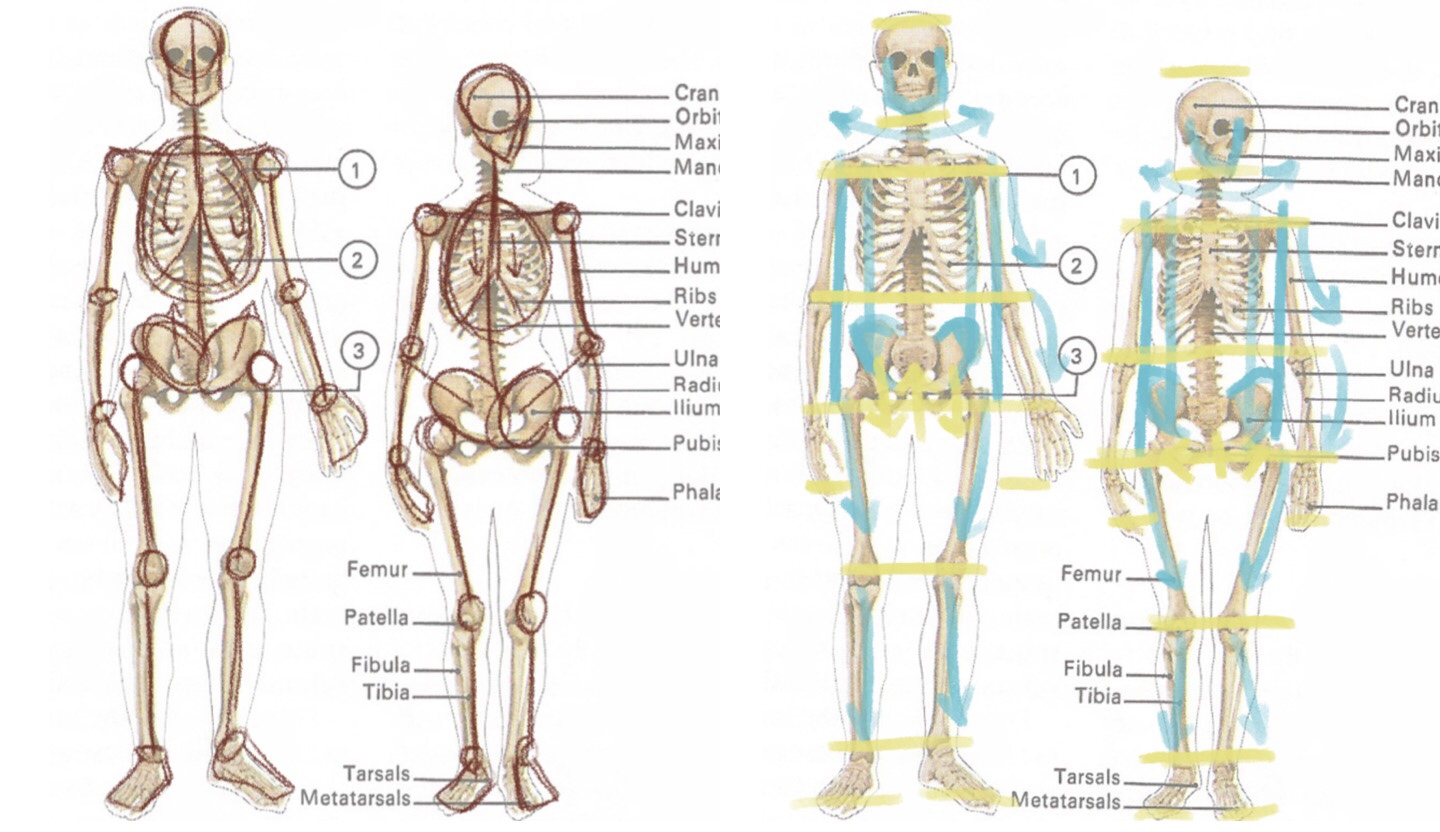


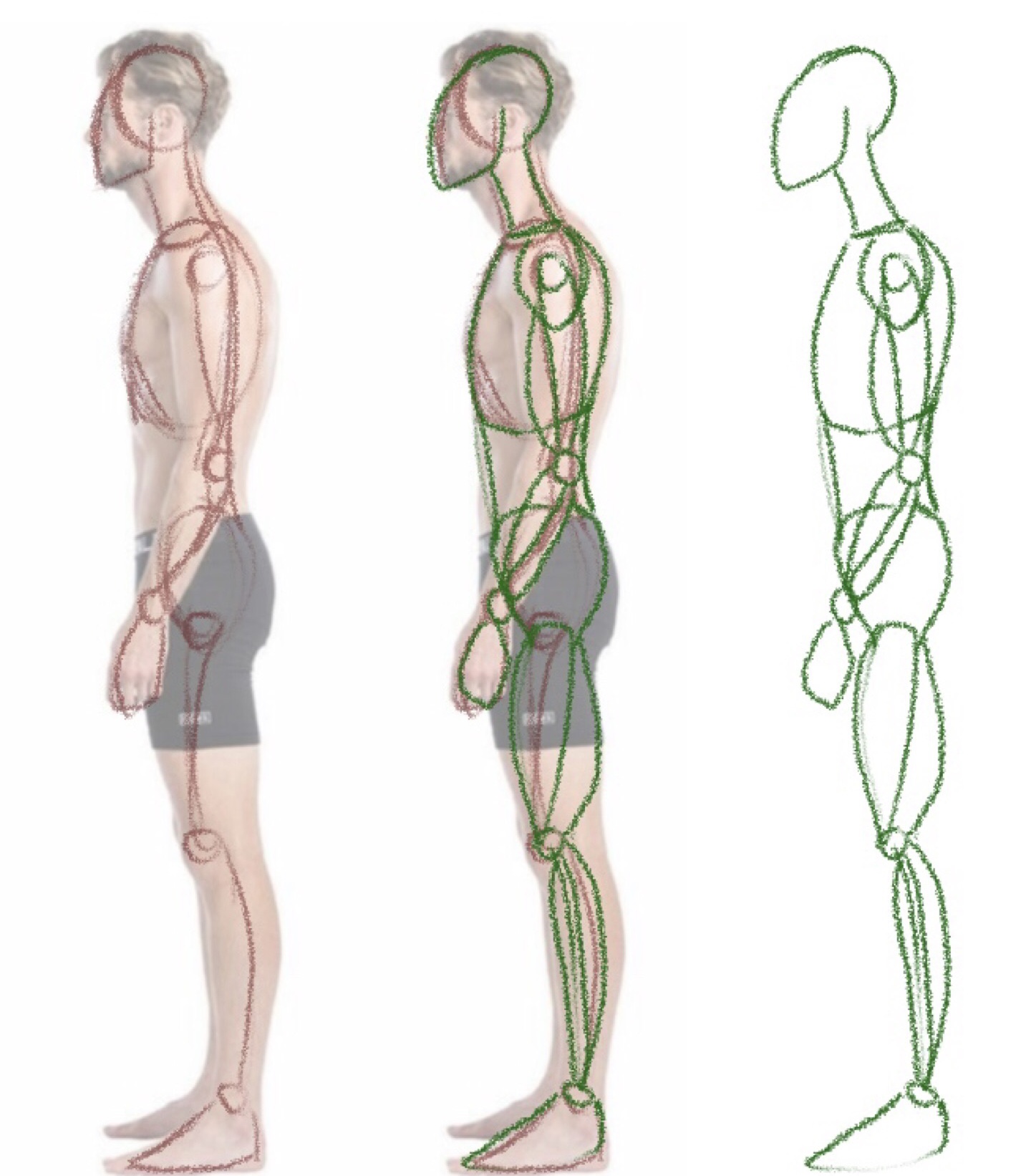
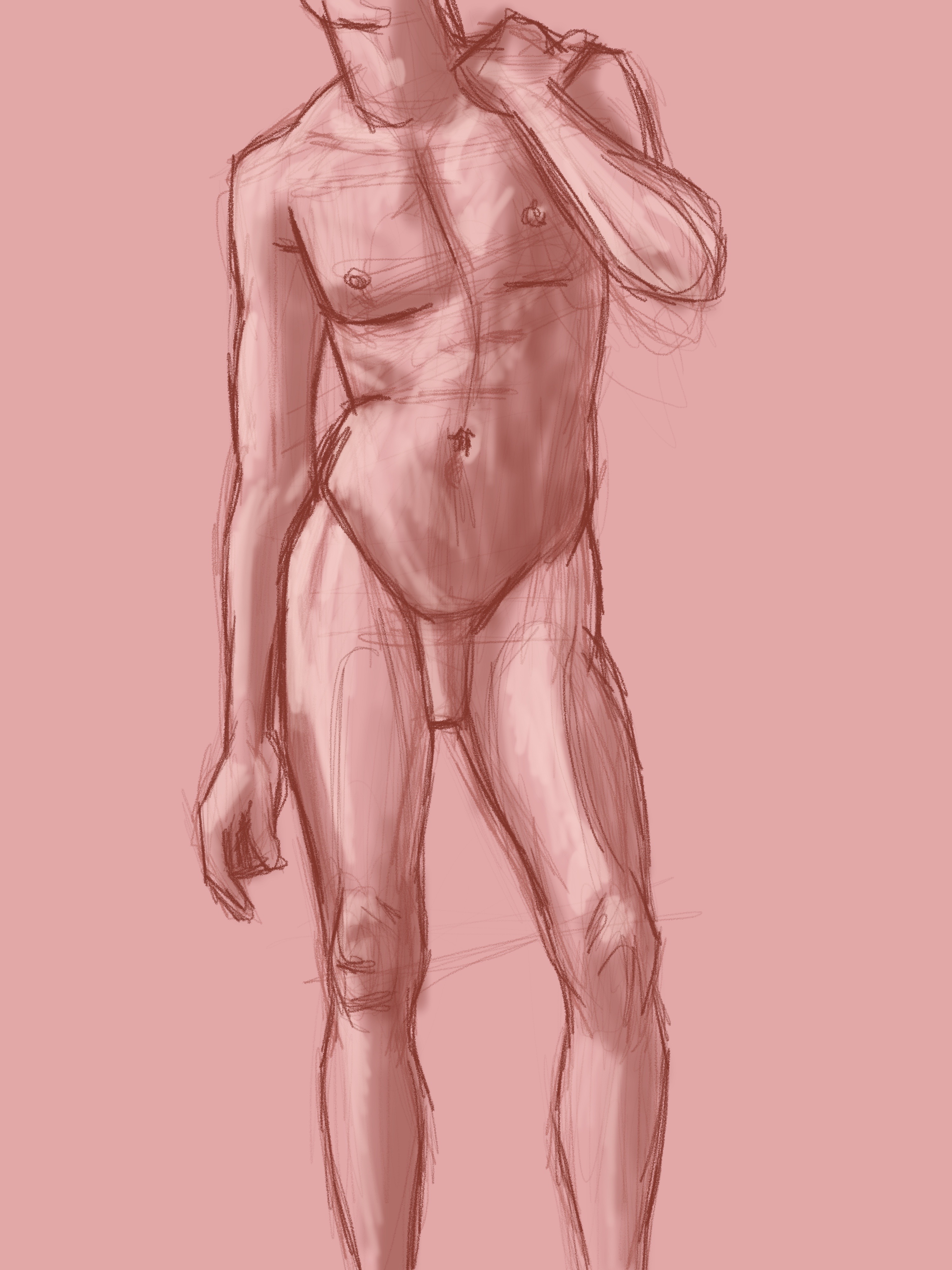
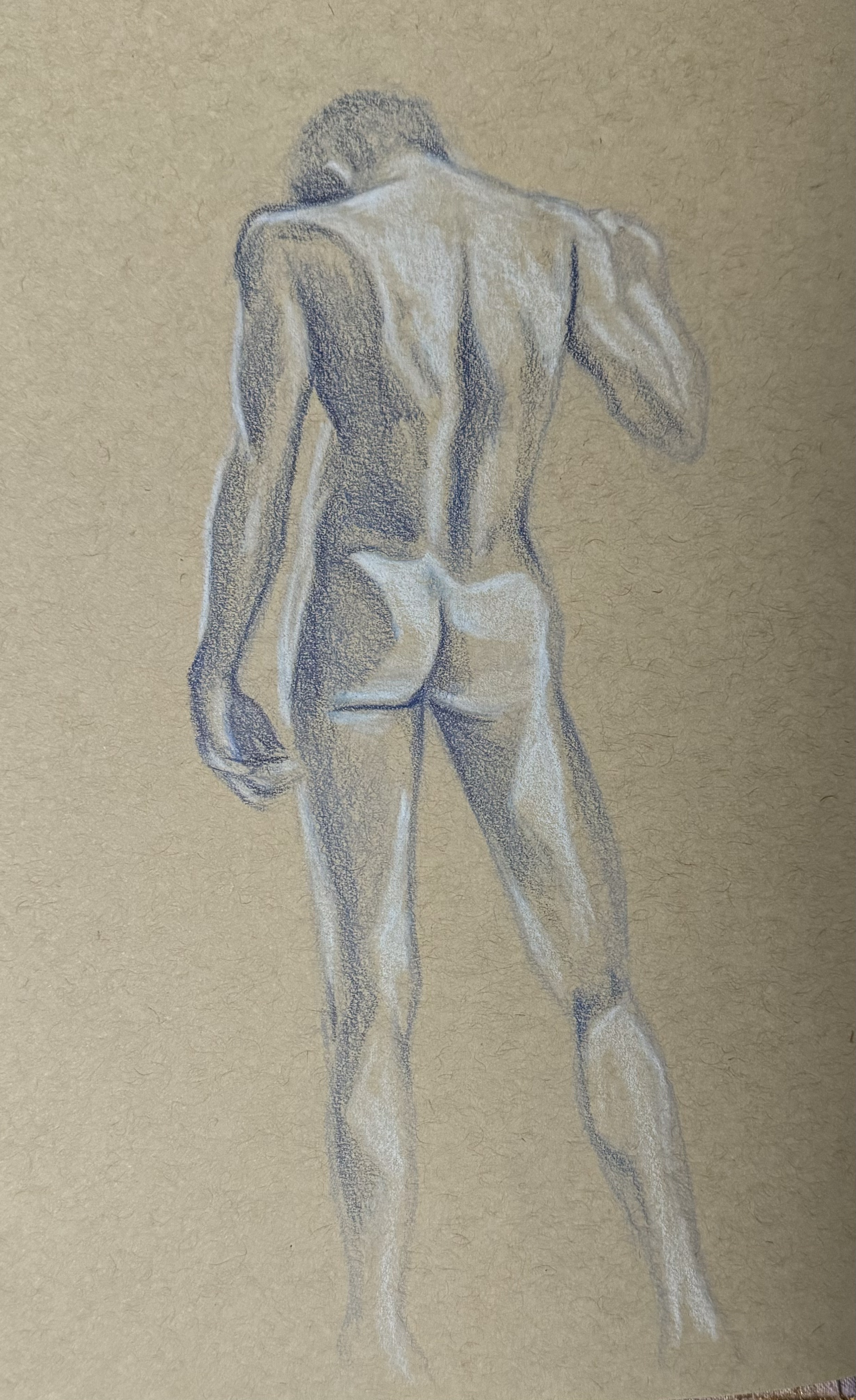
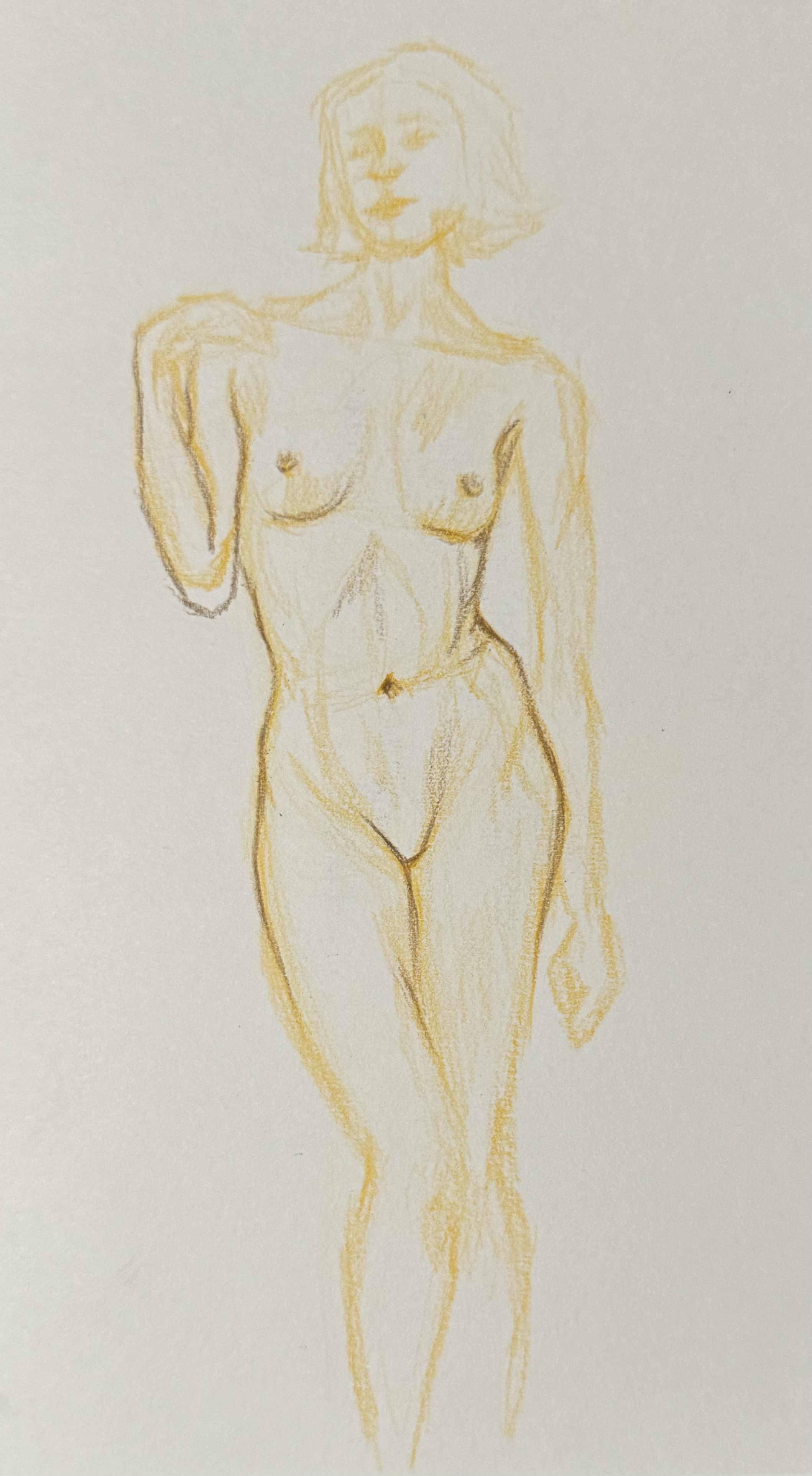

Figure/Anatomy Lessons
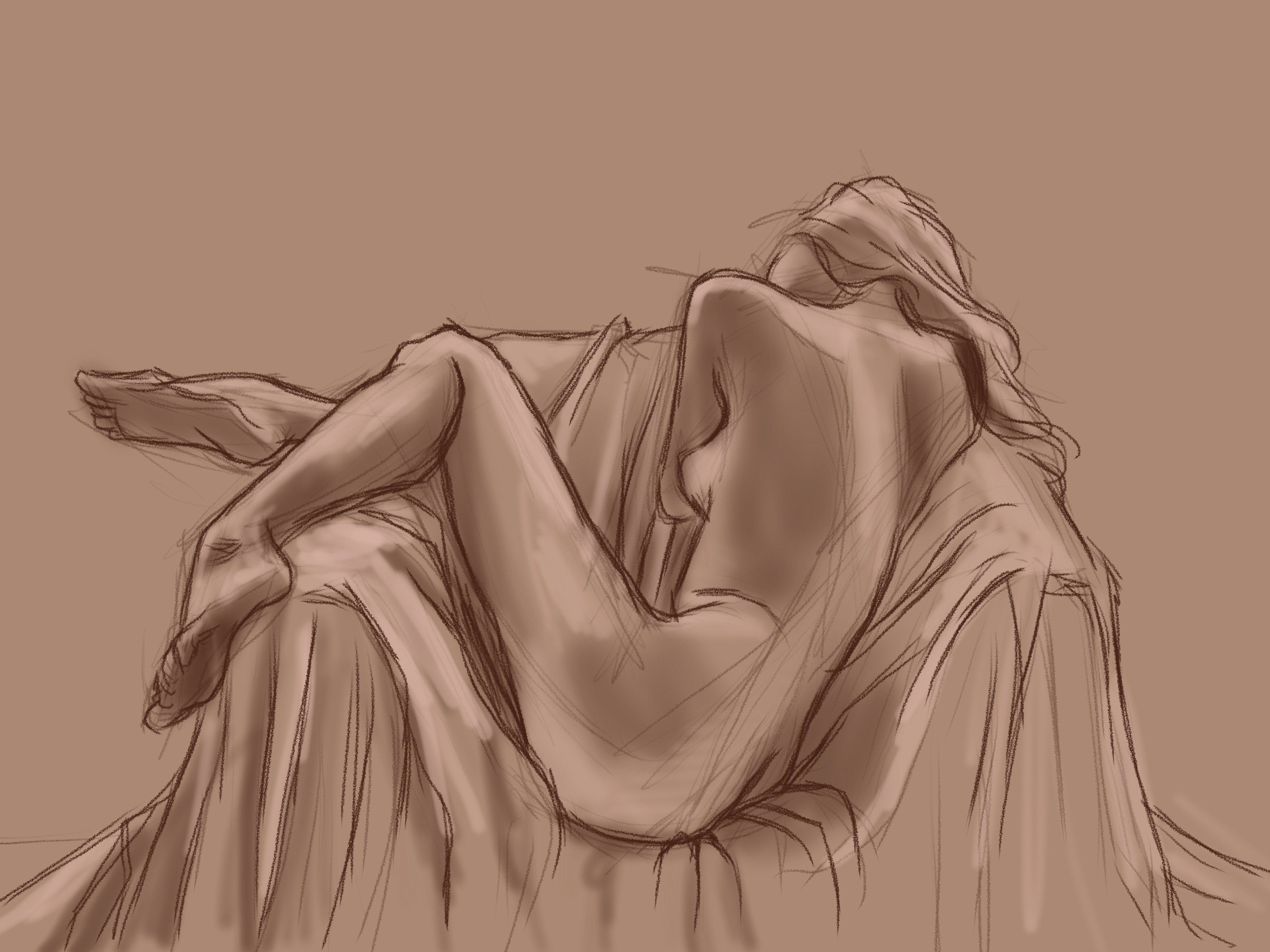
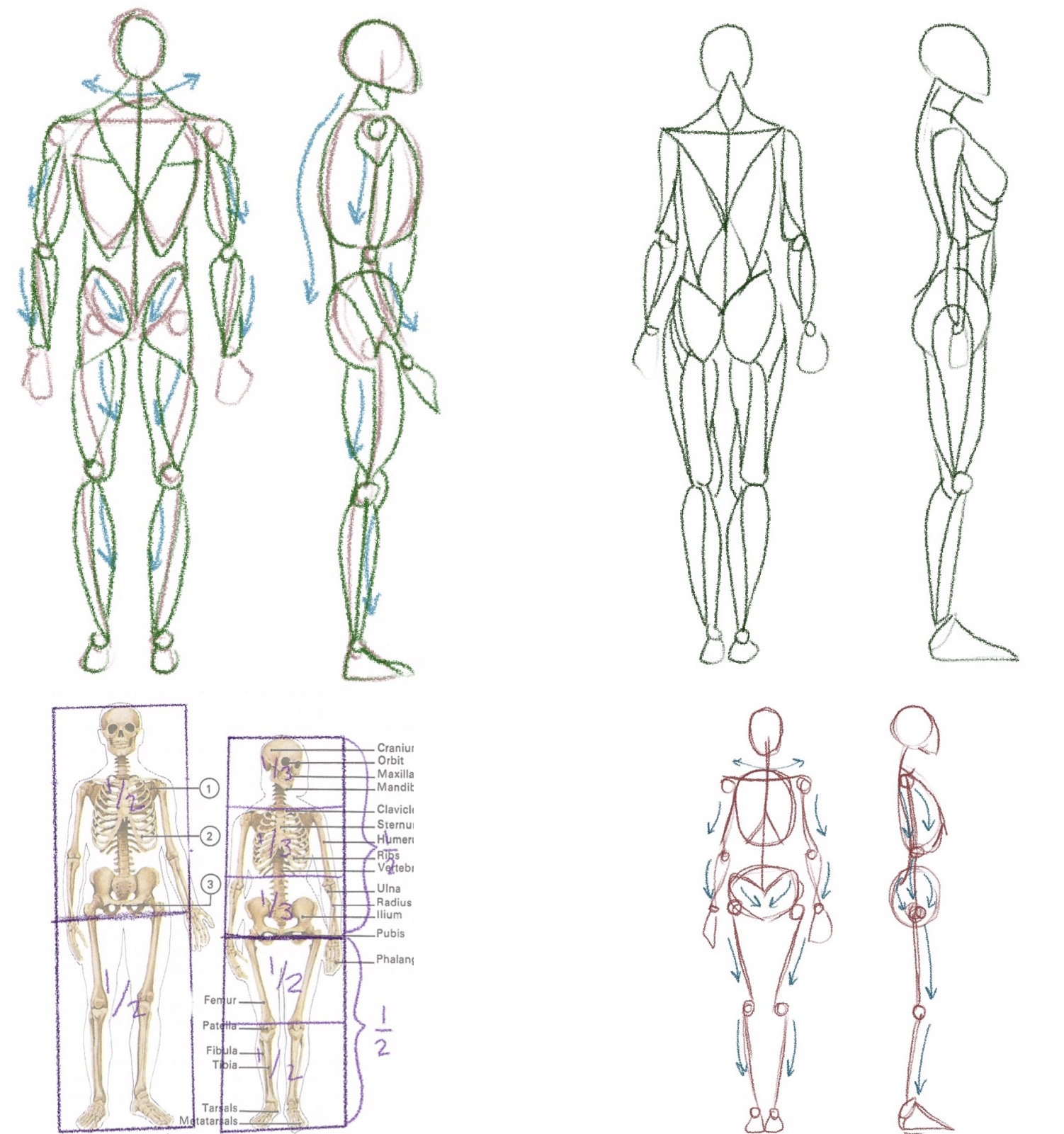
These are examples of student figure studies and diagrams I created to use in demos. When teaching the proportions of the figure, we focus on how to accurately convey the human body with movement and contour lines. I have students follow along the process of breaking down the skeleton and muscles step by step on reference images, so they can apply that knowledge to their own figure studies.
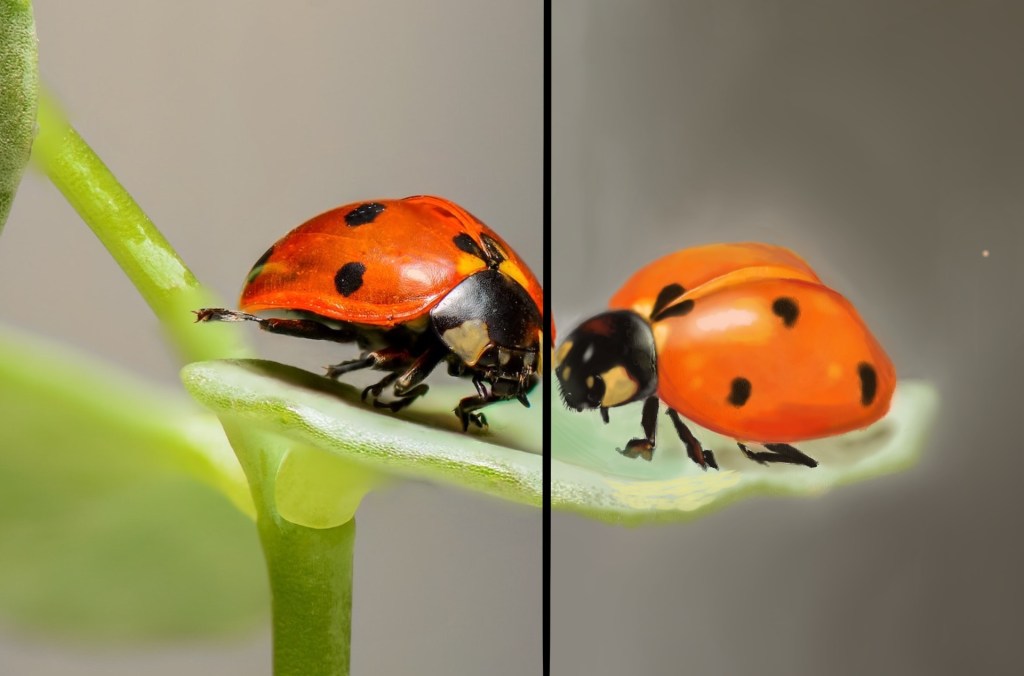
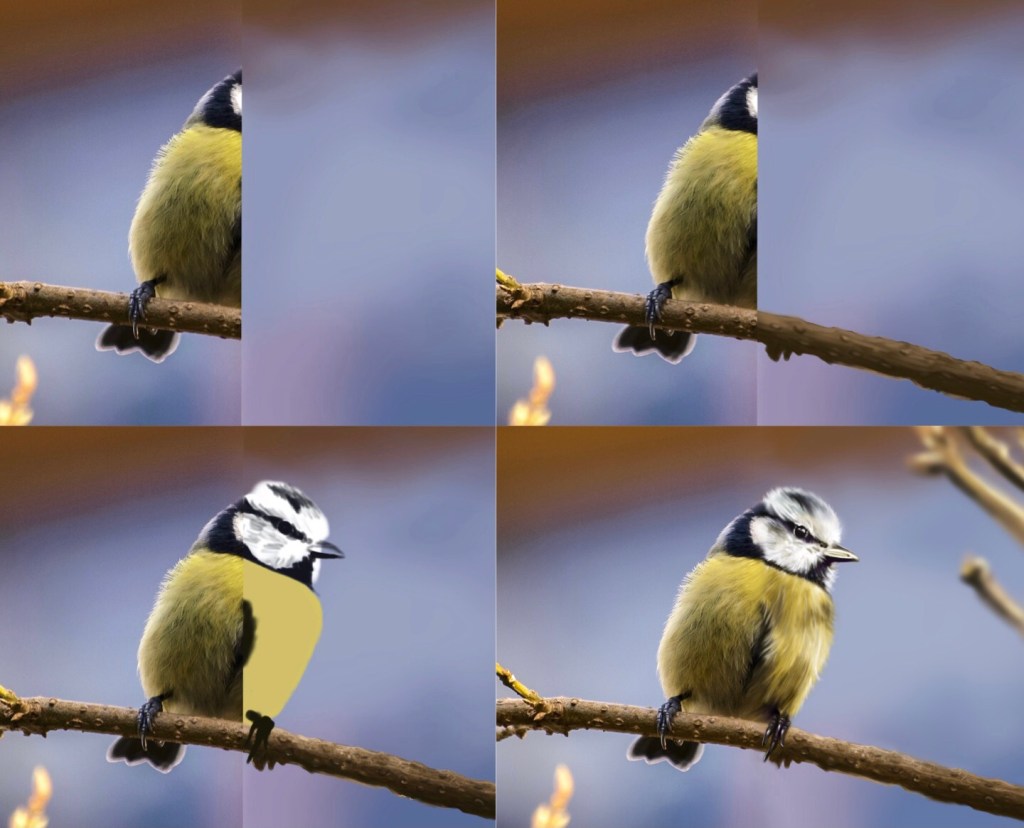
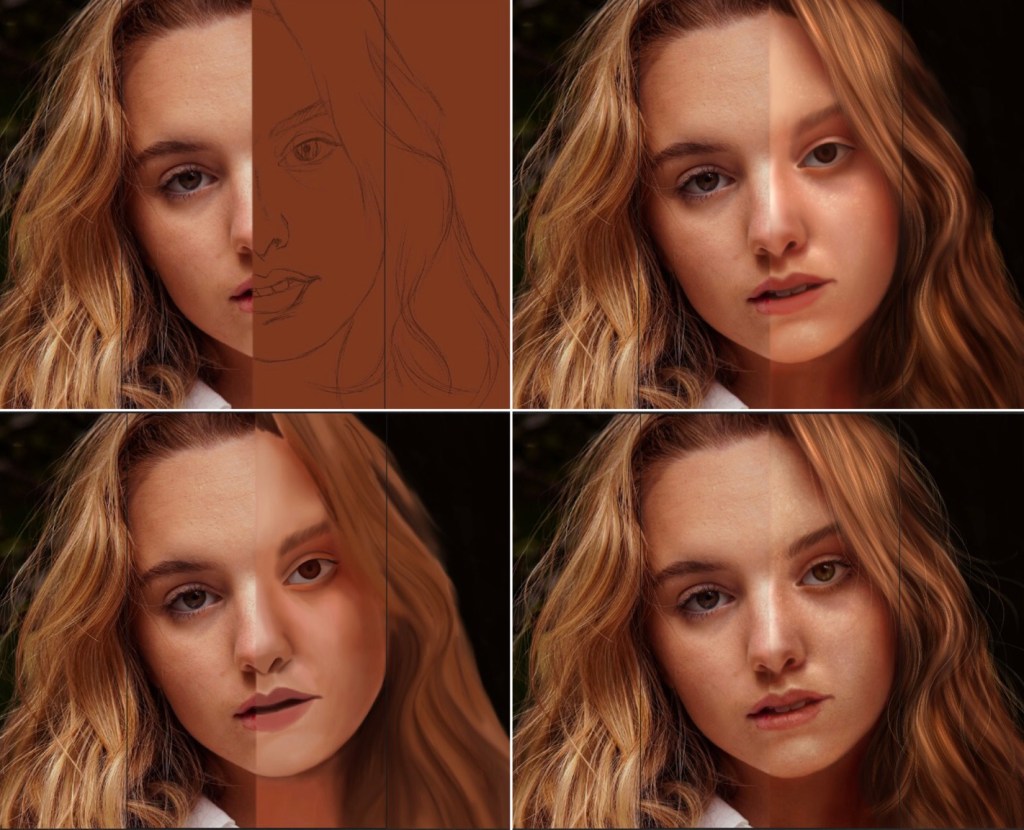
Other Side Exercise
A fun exercise I like to include in lessons is the “other side of the paper” assignment. This is exactly what it sounds like: cut an image in half and try to finish the other side. This assignment is versatile because it can be adapted to fit any skill level. Students can try and go as realistic as possible so you don’t see the image was cut in half at the end, or they can be more creative with how they finish the drawing on the other side.



Rendering Forms Lesson
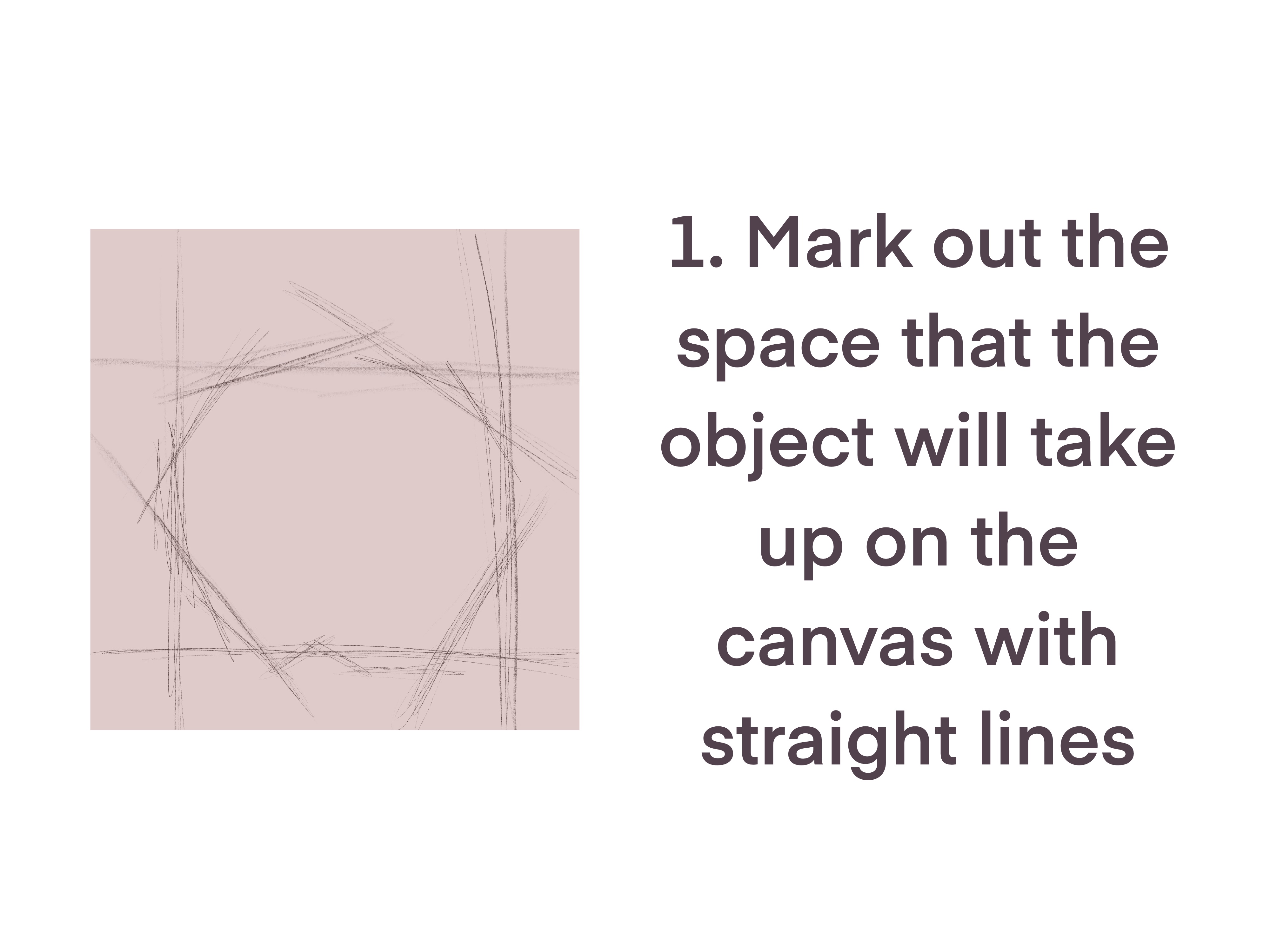
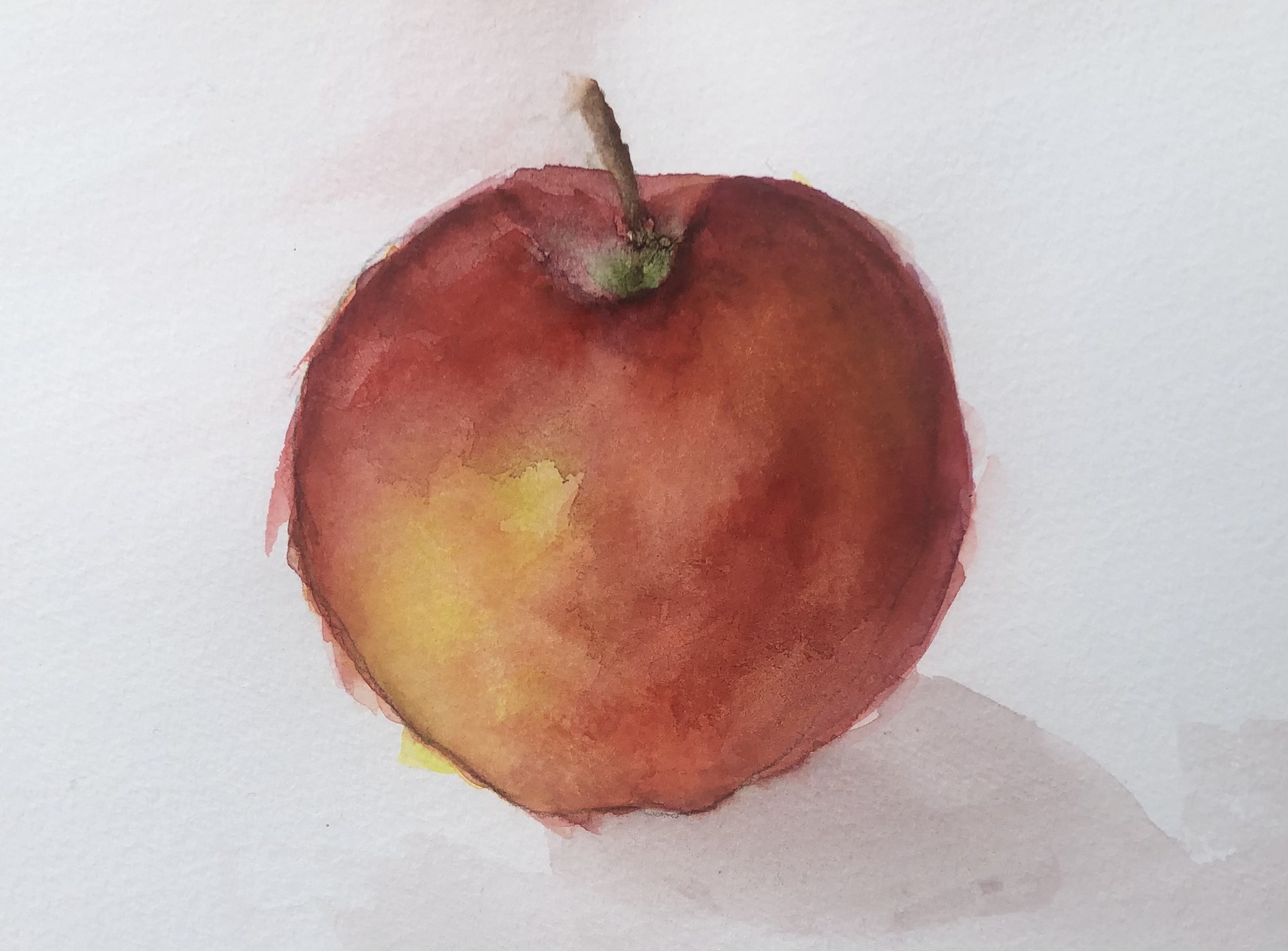
After a student has learned the basic 3D forms and how light and shadow affect them, we learn how to render real objects. Drawing an apple puts the previous lesson into practice (through identification, using vocabulary, and application of theory) and also teaches them the basics of rendering with a simple object. This step by step diagram was made using the demo apple I drew during the lesson so that the students could reference it when working on their homework.

Character Design Project
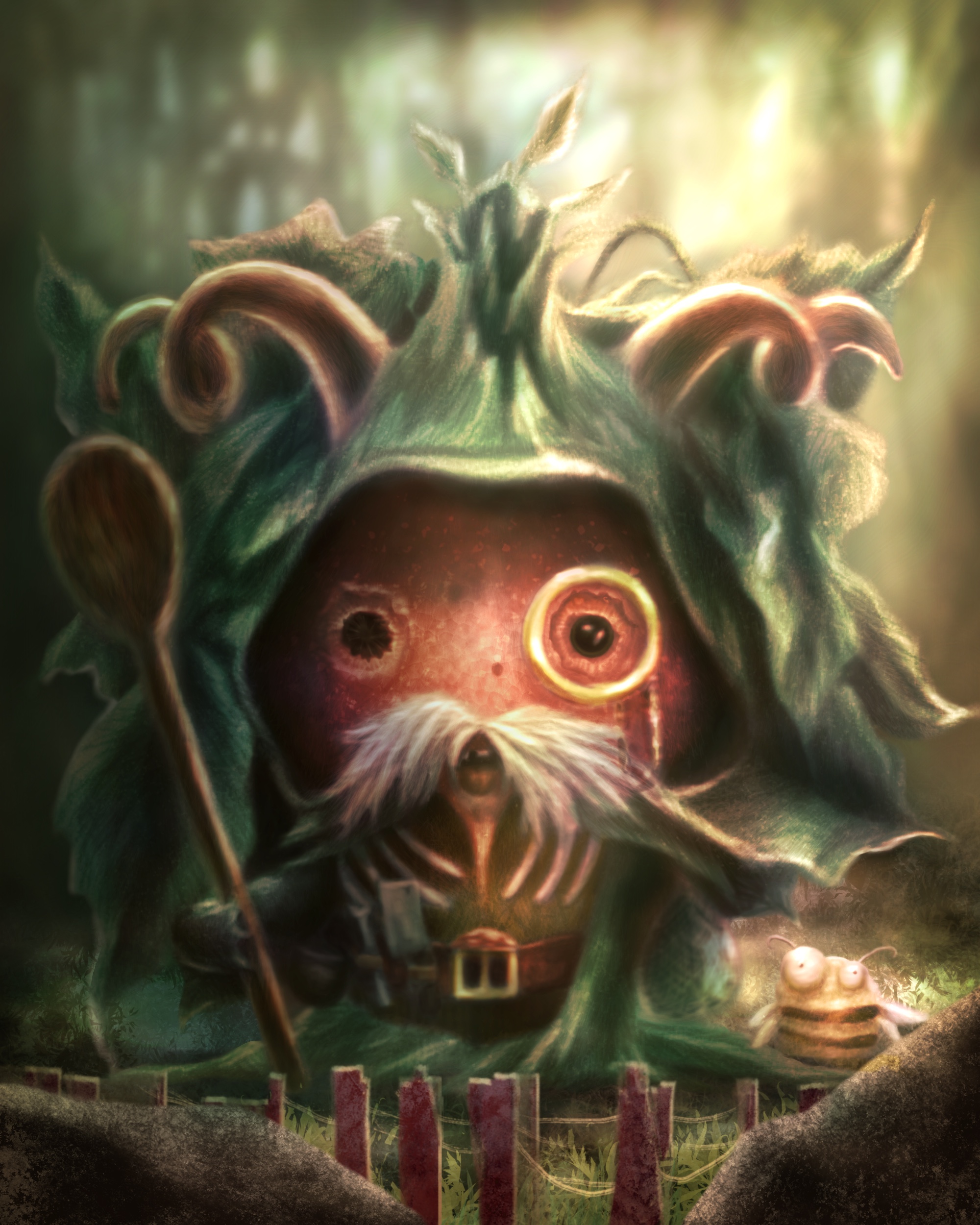
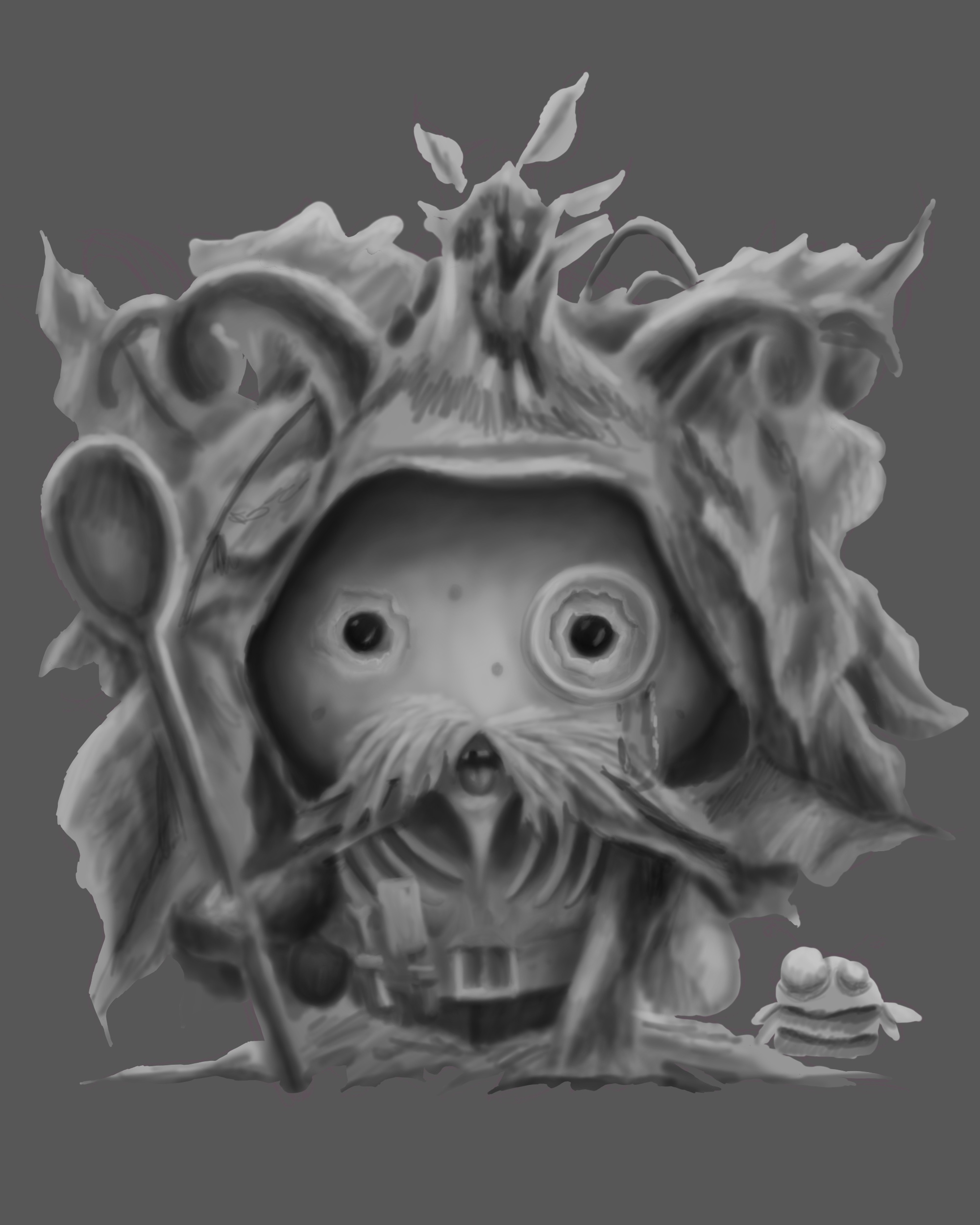
Since many of my students are interested in digital media and digital illustration, I like to include a character design project so they learn how these skills can be applied in a real world scenario. We talk about orthographic drawings, what makes a good character design, thumbnails, and creating a polished character-feature for a portfolio.



Digital Skills
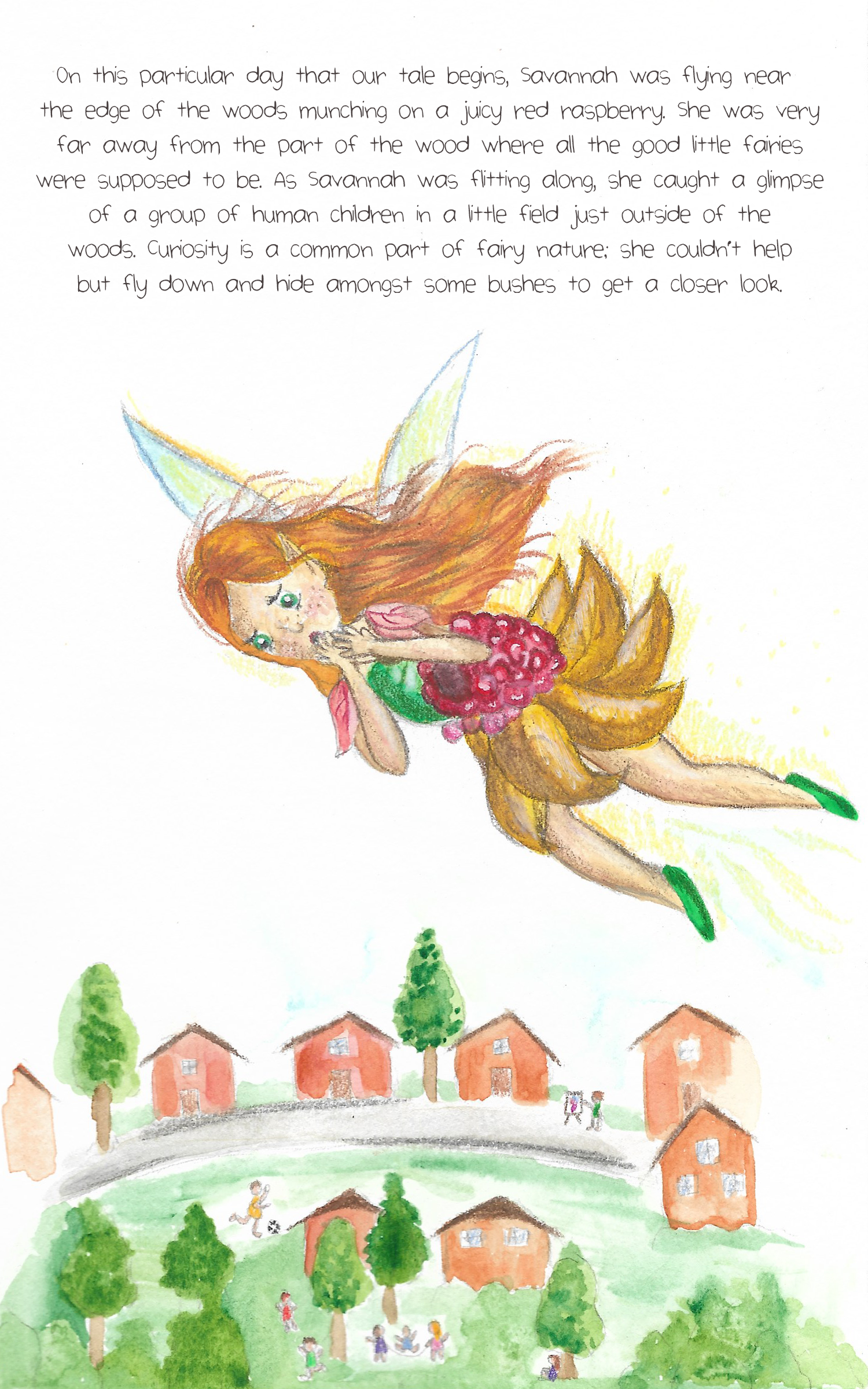
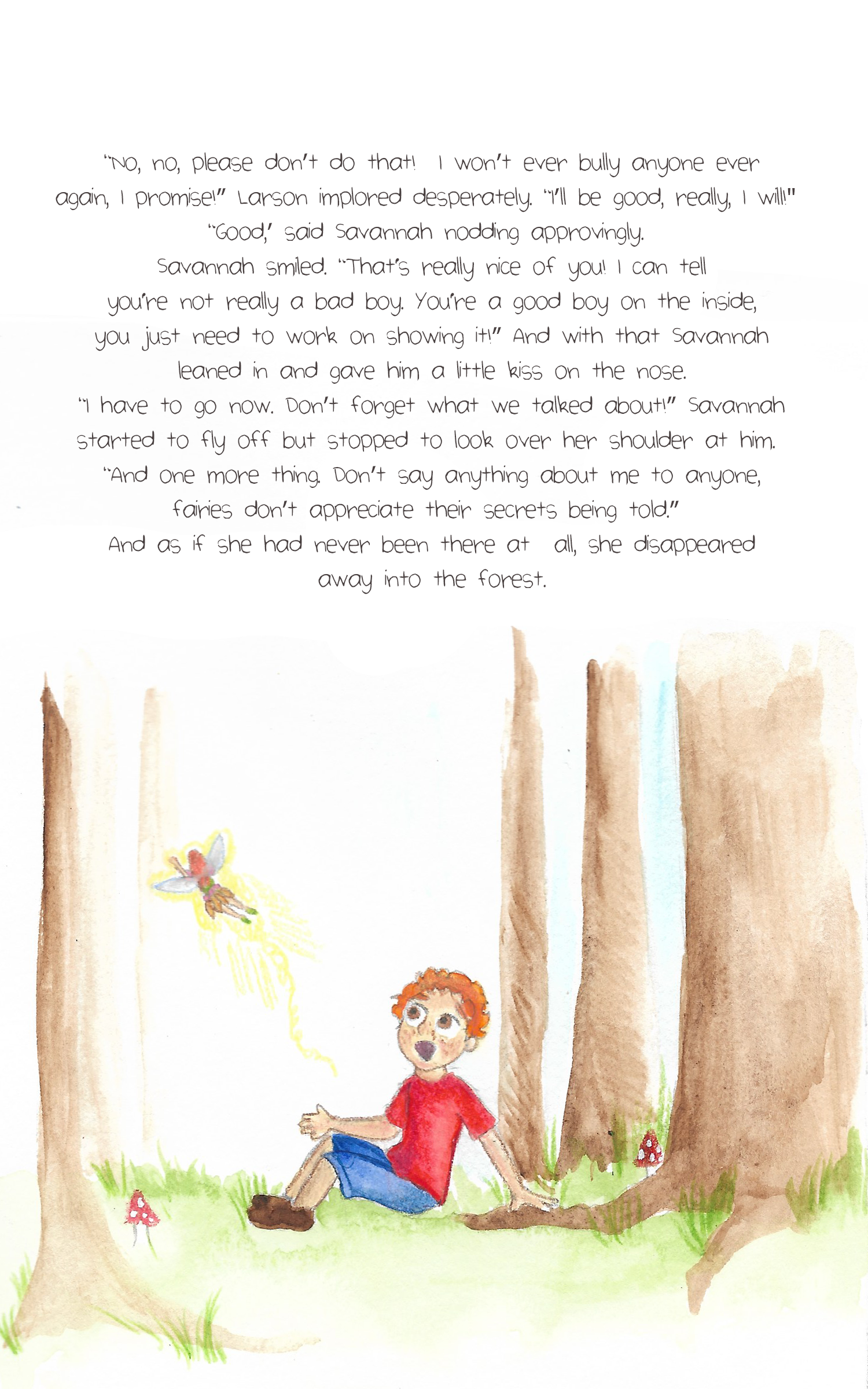
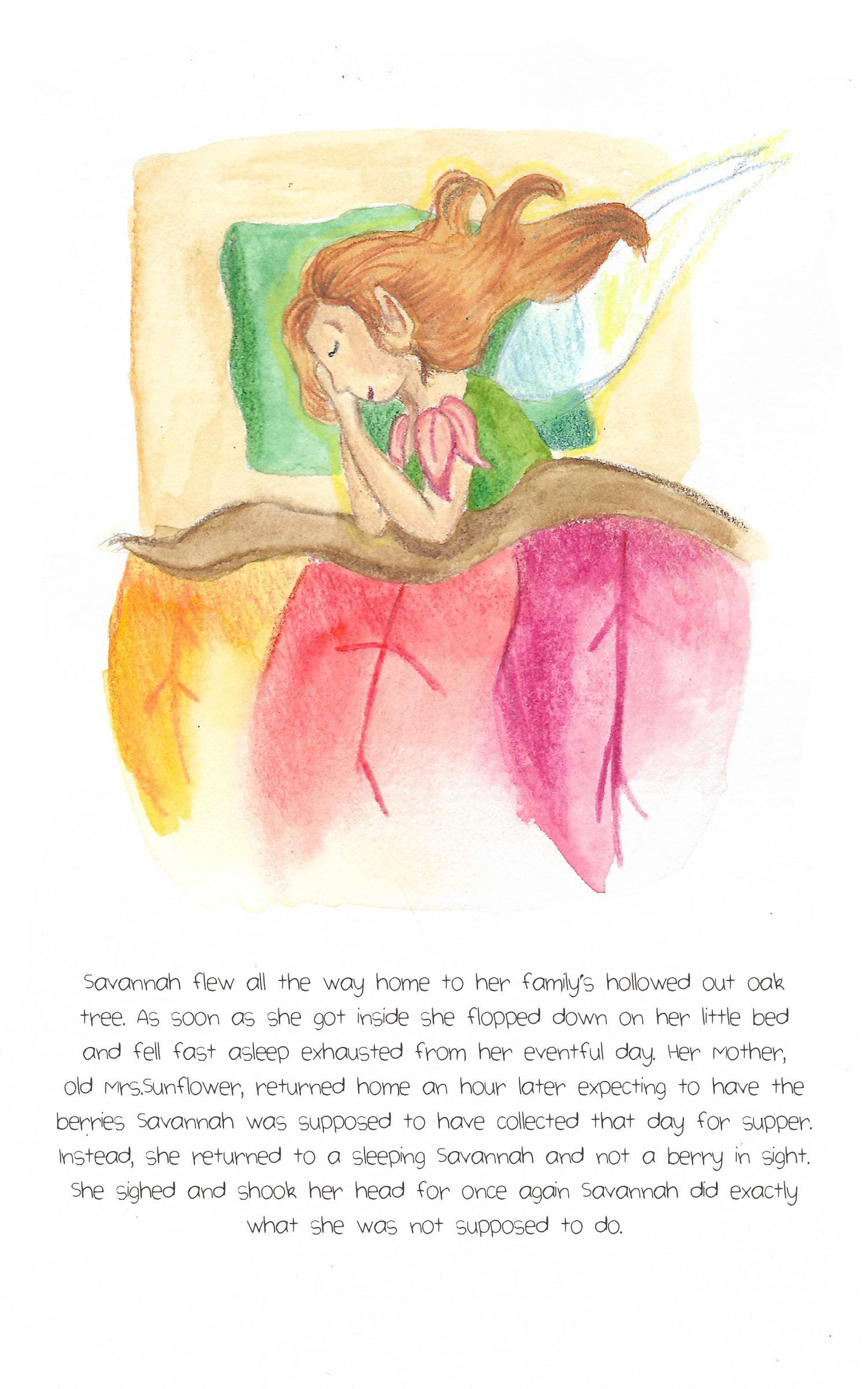
Though not all of my students are digital artists, digital skills are important to know for any kind of contemporary art practice. I teach my students how to photograph and edit images of their work, format their work for prints, format their work for the web, and more. This is an example of a student’s project: children’s book illustrations which she formatted in InDesign for printing.


Colorblindness Lesson
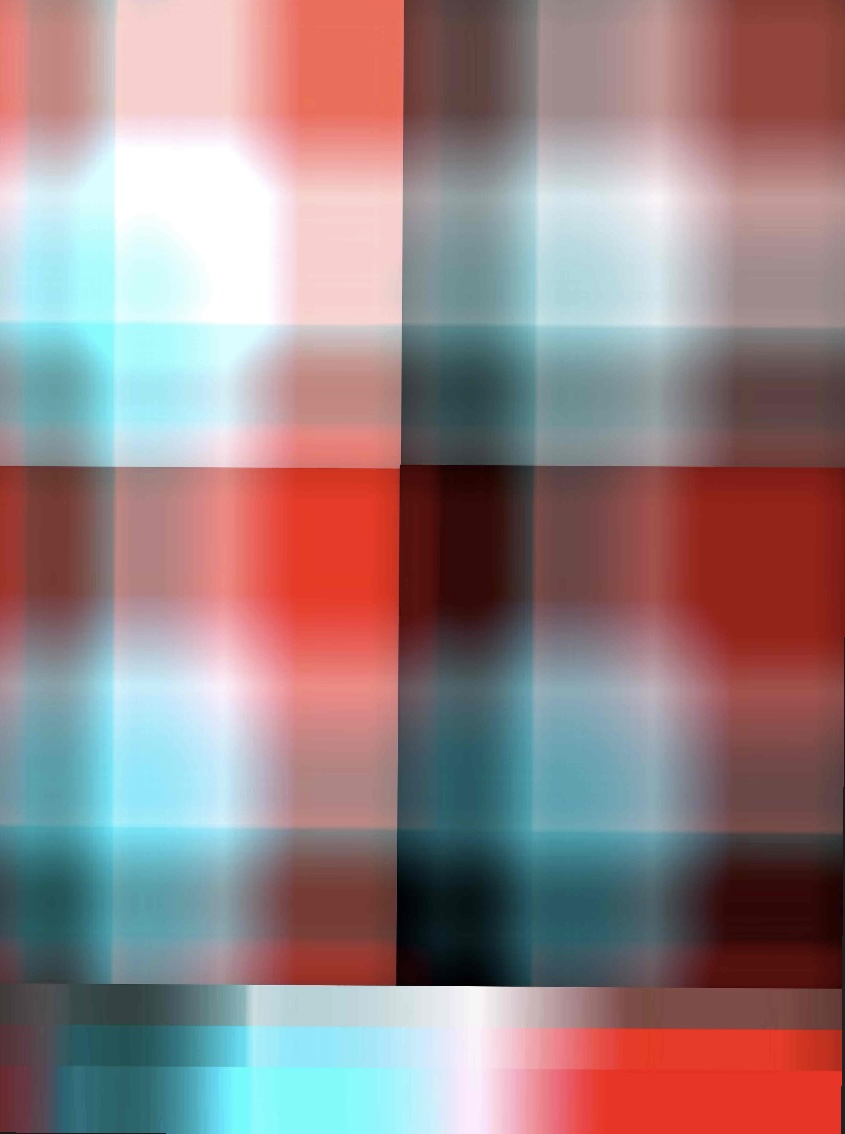
This lesson originated from a student who wanted to create an artwork for her friend where he could see all the colors present in the final result. I taught her how to create a source palette from the color wheel that was compatible with his specific type of color blindness, then how to translate this spectrum of color into her drawings of him. I hope to repeat this lesson with other students as a creative project option, where they would choose a type of colorblindness, make a color palette for their work, and create an artwork with it. It teaches skills of how to follow directions within a framework given to you as an artist, much like an animator would need to when provided with color keys for the film they are illustrating for.




Student Notes
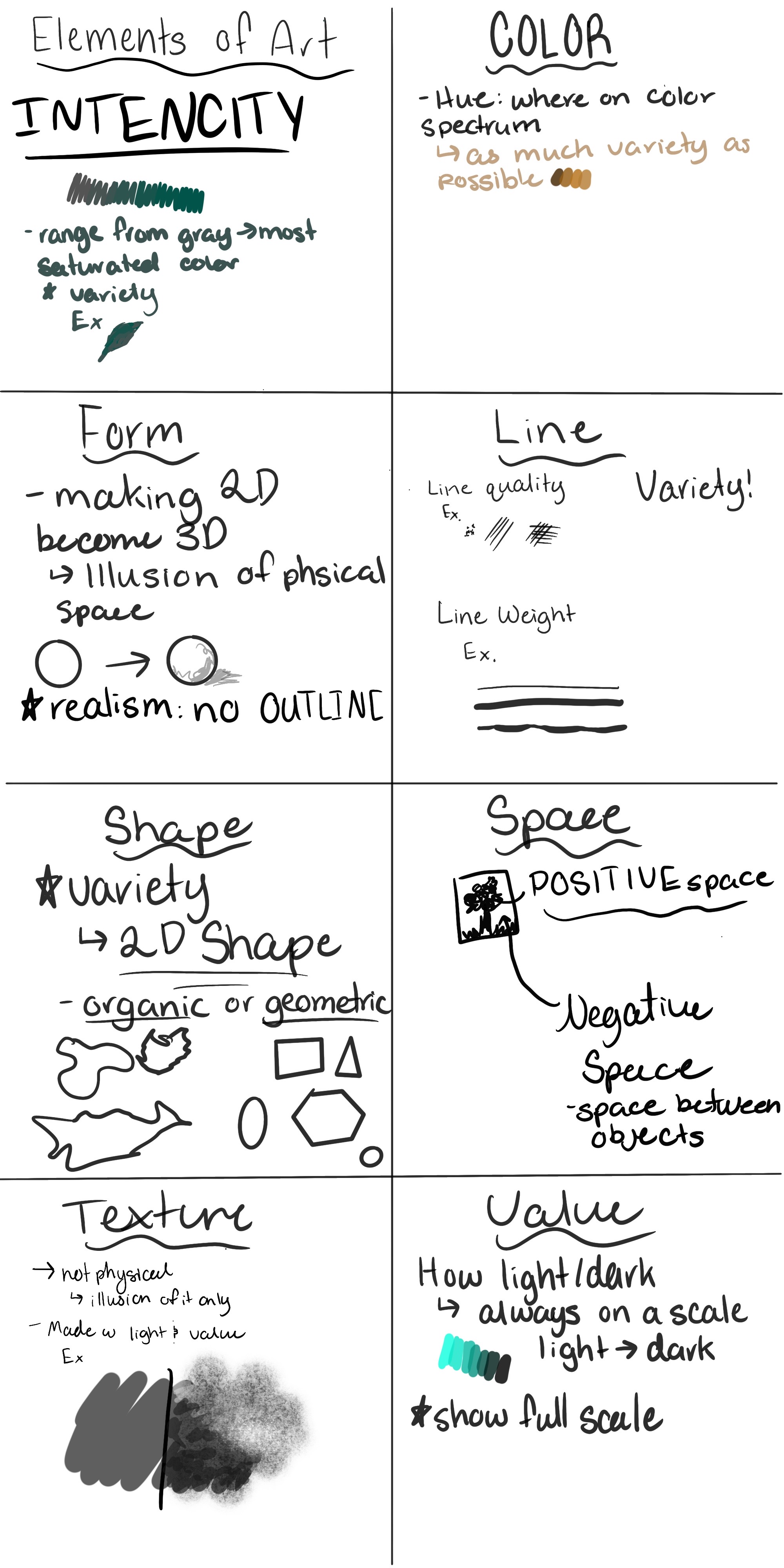
These are a few examples of student notes taken during demos or as homework to demonstrate understanding of a lesson. Sketchbooks are important tools for artists, not only to keep visual ideas, but to conduct investigations, analysis, studies, and research to better their artistic knowledge. These are digital notes, though I have students who keep notes both digitally and in physical sketchbooks. No matter the media of note taking, I make sure to teach organization, routine, and how to upkeep sketchbook practices as we move through new topics and projects.





Teaching Diagrams
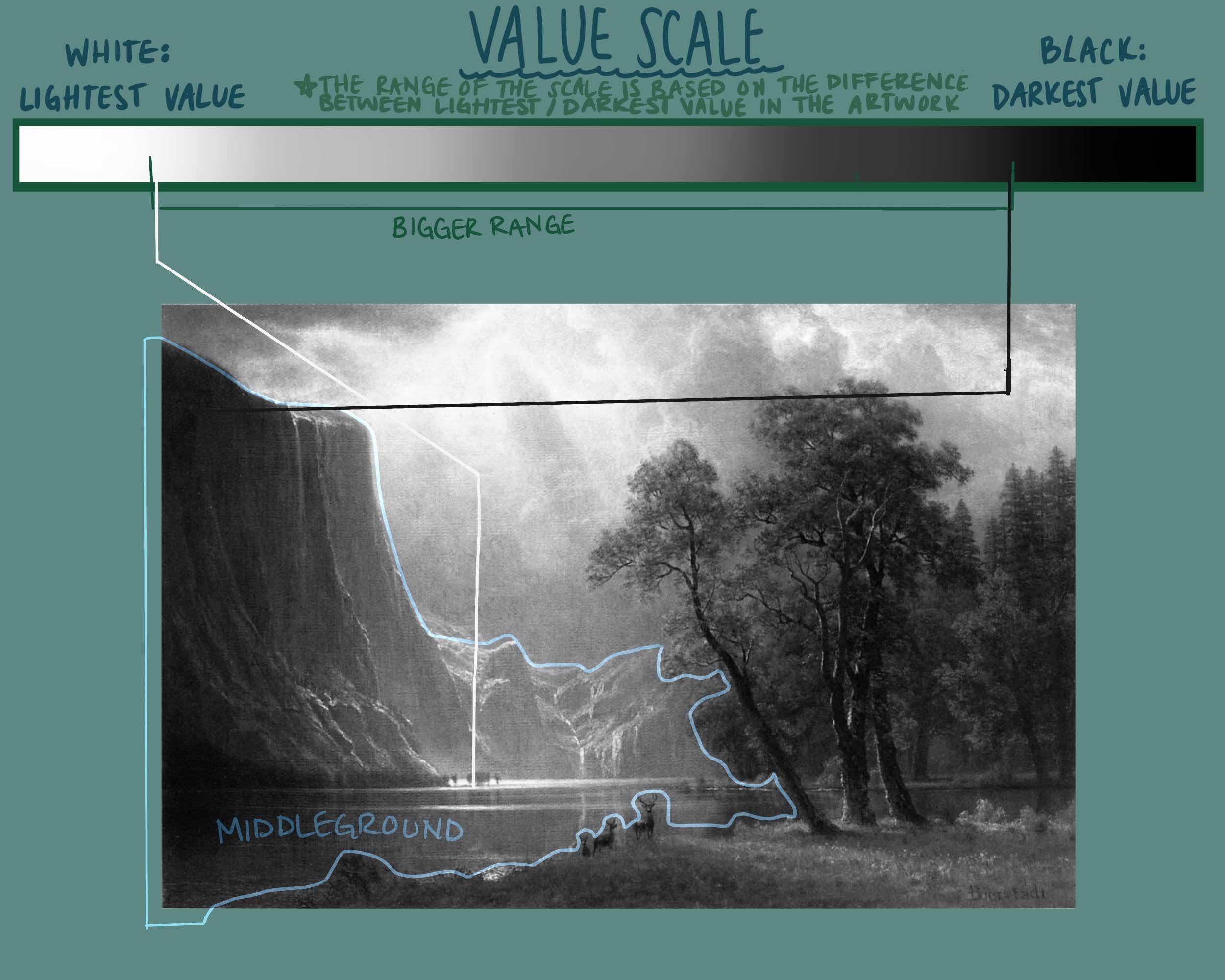
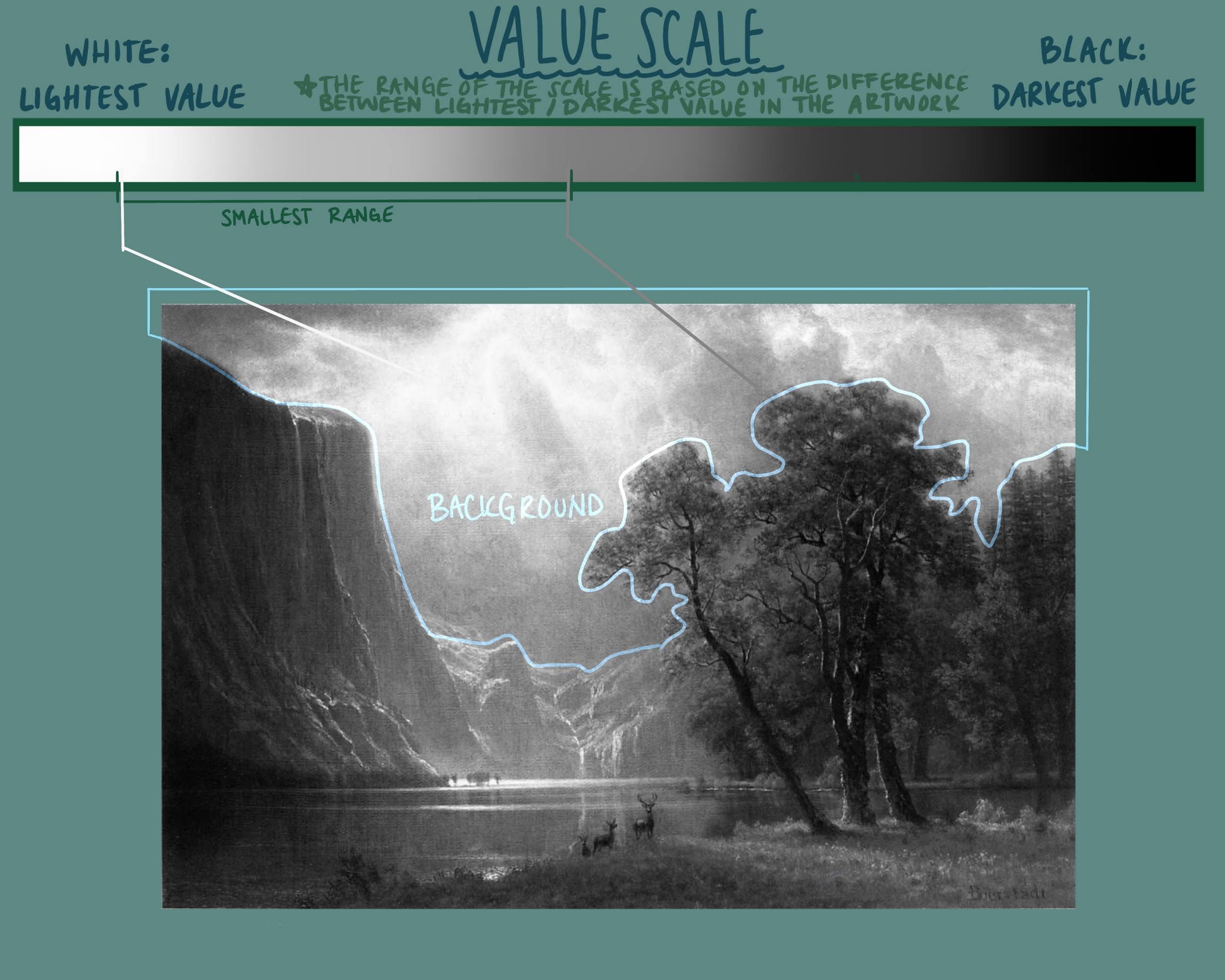
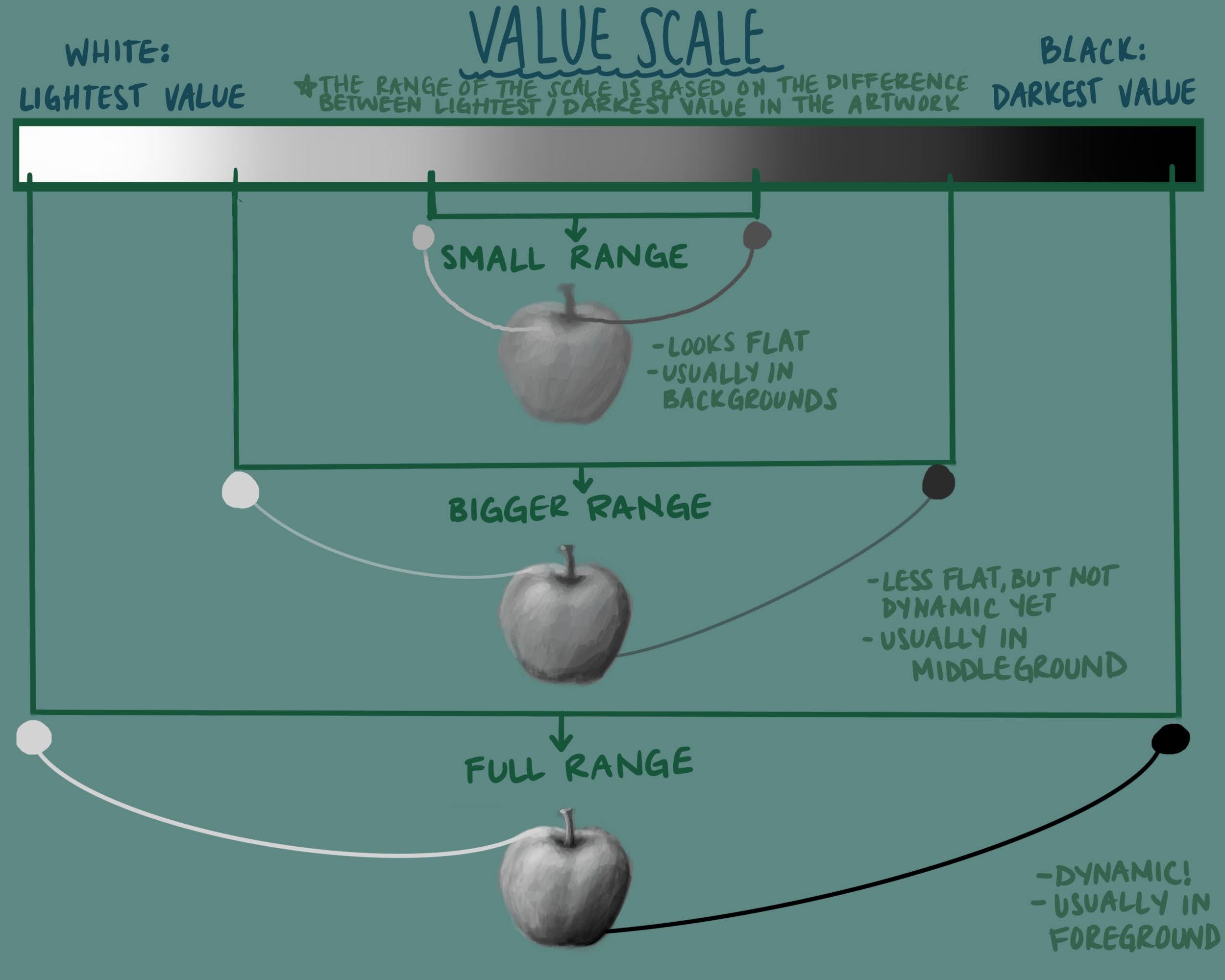
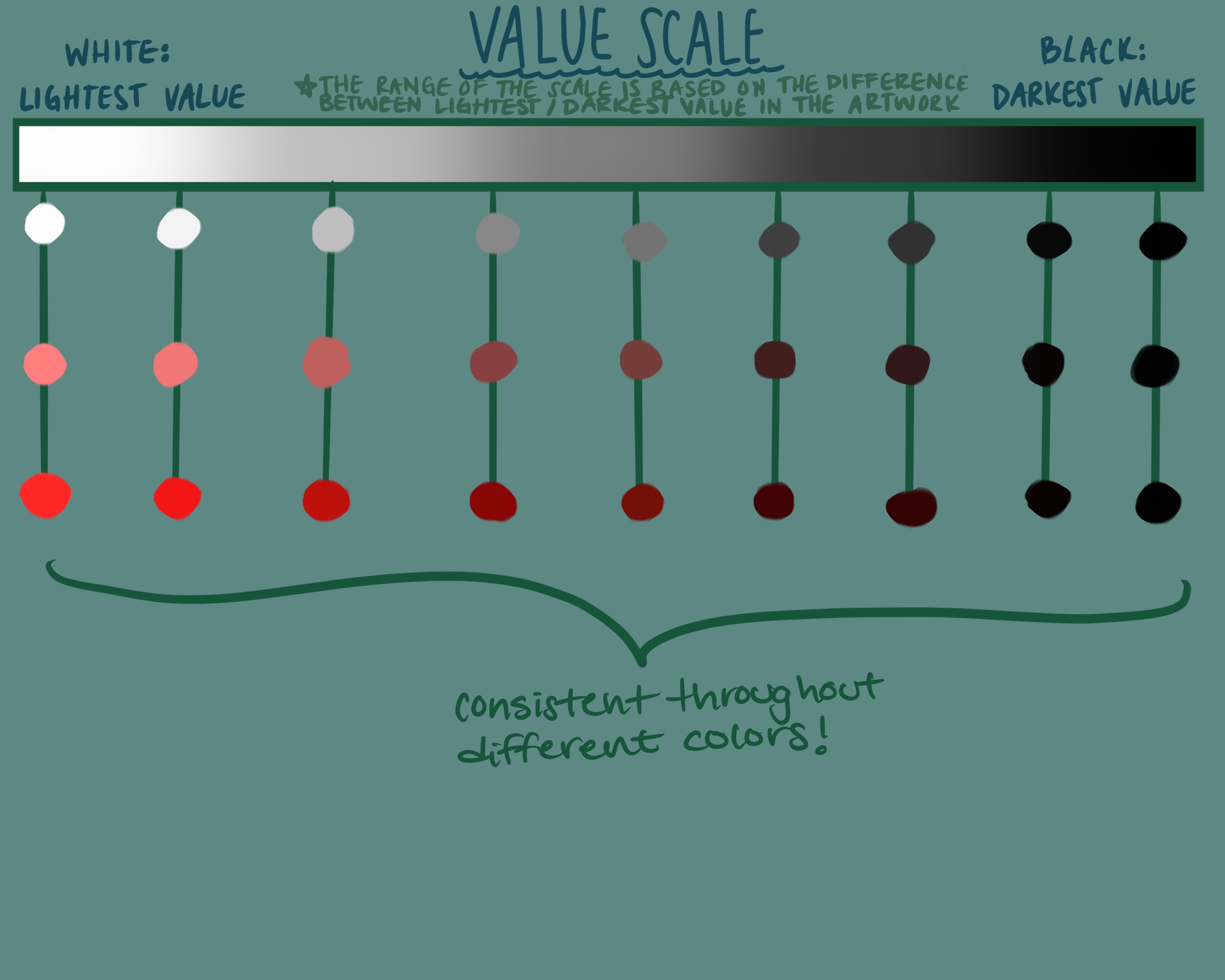
These are some of the various diagrams I’ve used to teach students different techniques in lessons. Although I do like to be resourceful in using diagrams made by other teachers, I generally prefer making my own and recreating them with the students as I walk them through taking thorough notes. While some diagrams work well as “handouts,” (and thus, can be more polished and refined) I find having the student draw the diagram themselves and label everything makes them retain the information better and they are more likely to hold onto the diagram for later use.


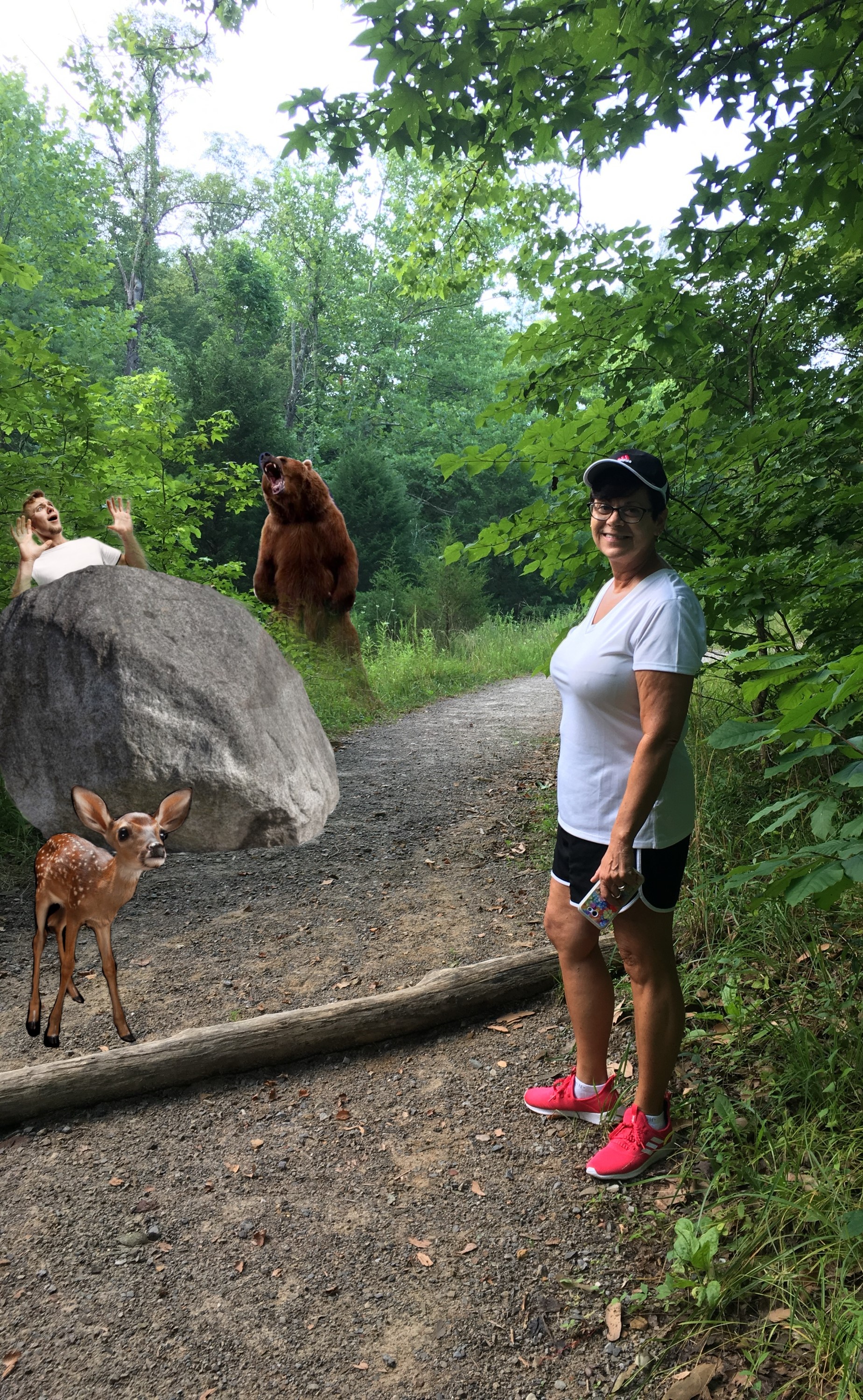
photo editing skills
When teaching the basics of Photoshop and Procreate, I like to give some fun and silly exercises to break up what can often be tedious and monotonous to a new student. These are some funny examples of a student learning layers and editing tools in Procreate prior to learning the drawing/painting tools, in which she was asked to composite multiple images to look as if they are one picture. She understood the assignment perfectly and decided to make it look like her last family vacation was a lot more exciting than it was (haha).
Postcard Project
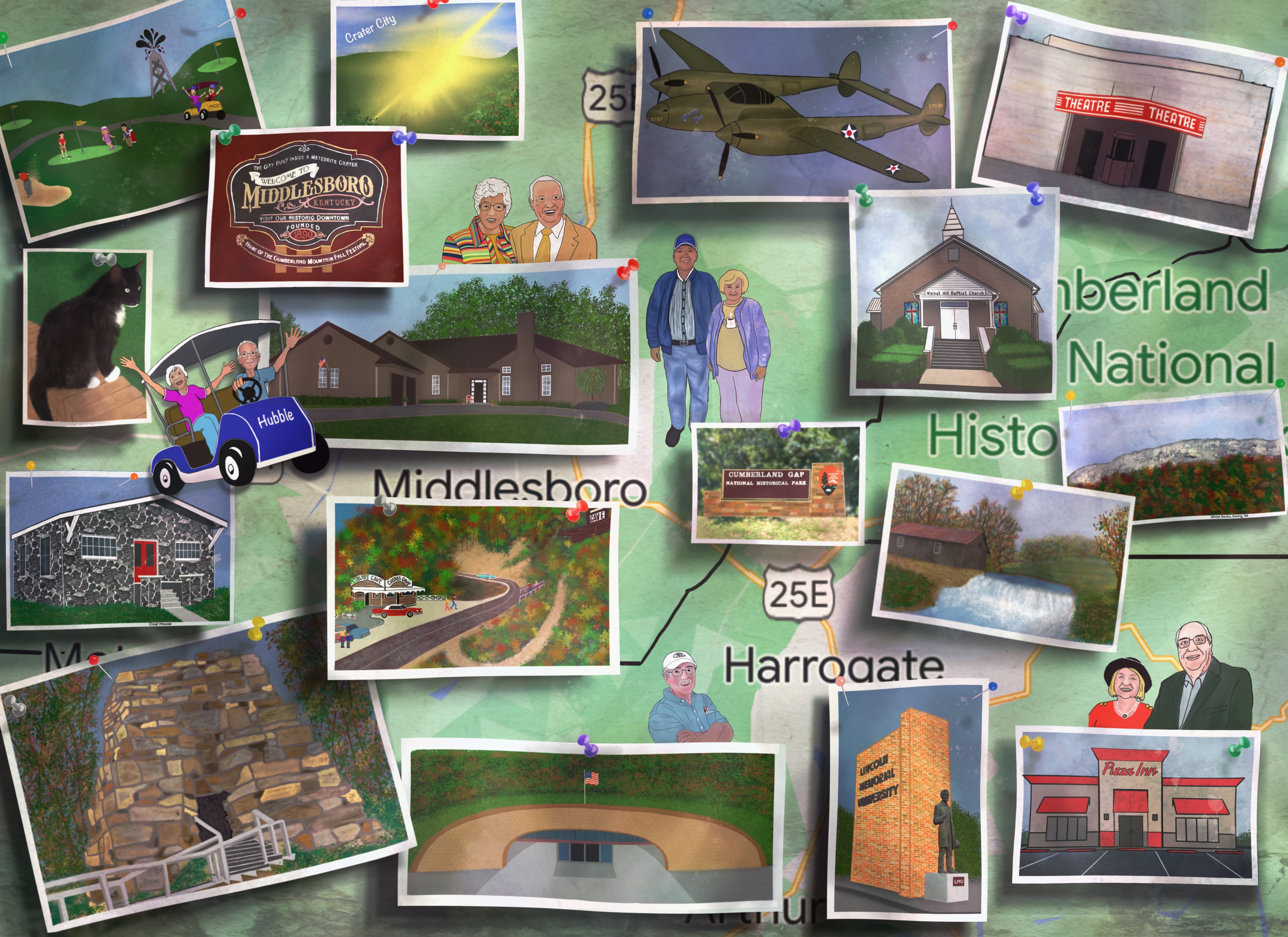
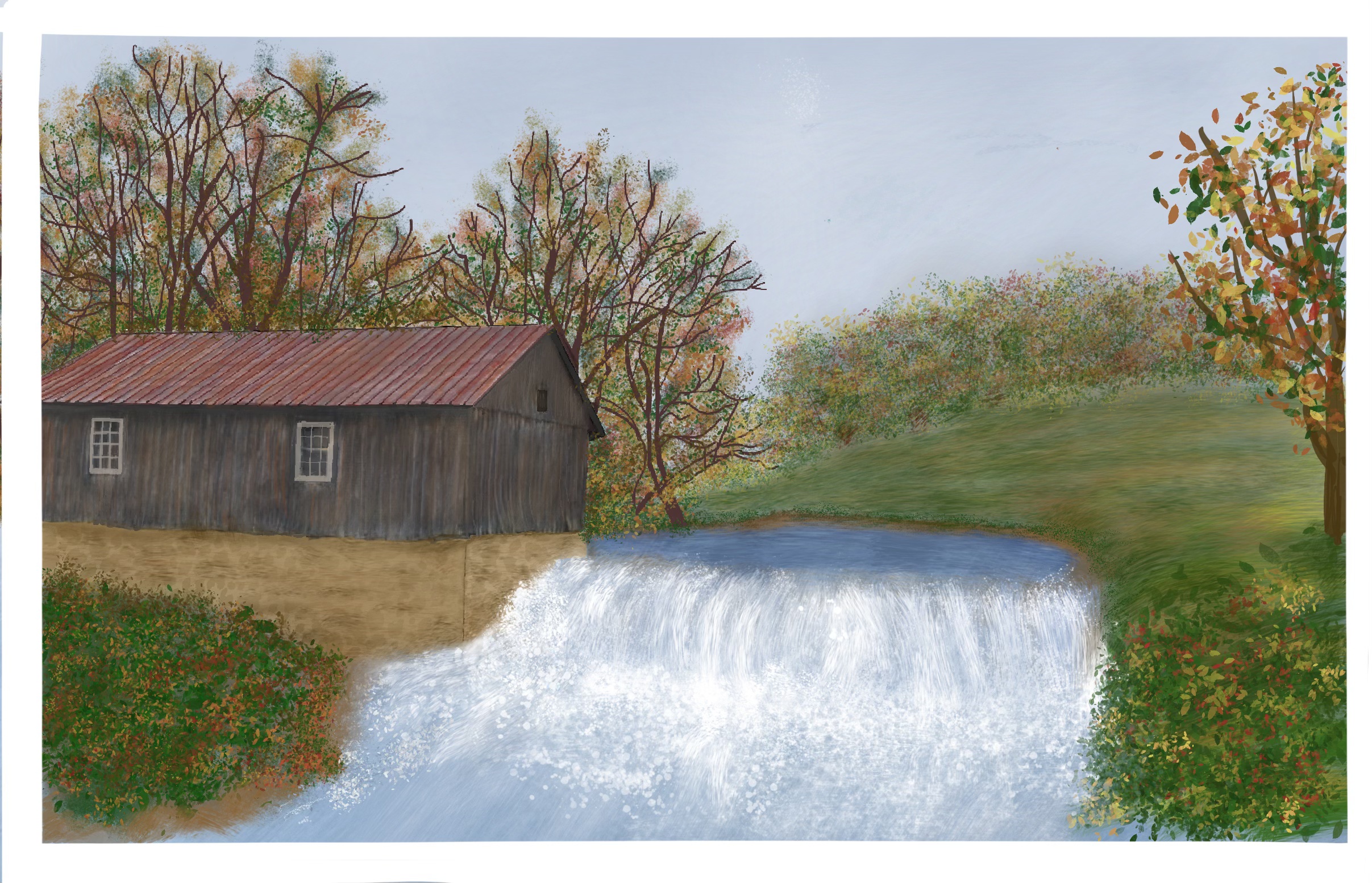
This is an example of a student’s “Postcard Project.” This is a project where the student makes many small artworks that can be combined into one larger final artwork, teaching the skills of sustained investigation and learning to emulate stylistic attributes across multi-media and multi-subject works. We work together to come up with a theme for their travel map (this student chose to focus on memories of her hometown) and then work on the postcards as individual exercises every week. This student was being introduced to digital illustration, so she created everything digitally, using each post card as an opportunity to test out new techniques and learn the software. This project can also be adapted to any media that is sustainable on small-scale paper (watercolor, pencil, charcoal, marker, etc), meaning the student gets to make artistic choices that reflect their interests, while still completing a set of guidelines and requirements that challenge them.



Recorded Lesson
In this video, I’ve included clips from private sessions with a student from a few years ago. The student was learning how to use Blender, a 3D Modeling and Animation software. We had been working previously on modeling meshes, creating images for texturing, and retopology. These recorded lessons introduce texture/shading, UV unwrapping, and new ways to approach a low-poly object for a larger scene. We used more complex objects in each lesson to continue expanding her skills. The recordings served as a resource for her to check back on how to execute complex processes and troubleshoot at home.
Each lesson lasted 1-2 hours, so these are much abbreviated glimpses of the curriculum! The video includes clips from three lessons, each one primarily directed by my demo and the student taking notes/asking questions. In the first two lessons, she sat next to me at the computer during the recording. The last one was recorded separately and sent to her as a remote learning option. The student has requested to remain anonymous but has consented to me sharing these clips with you.
More Student Artwork (All AgES)














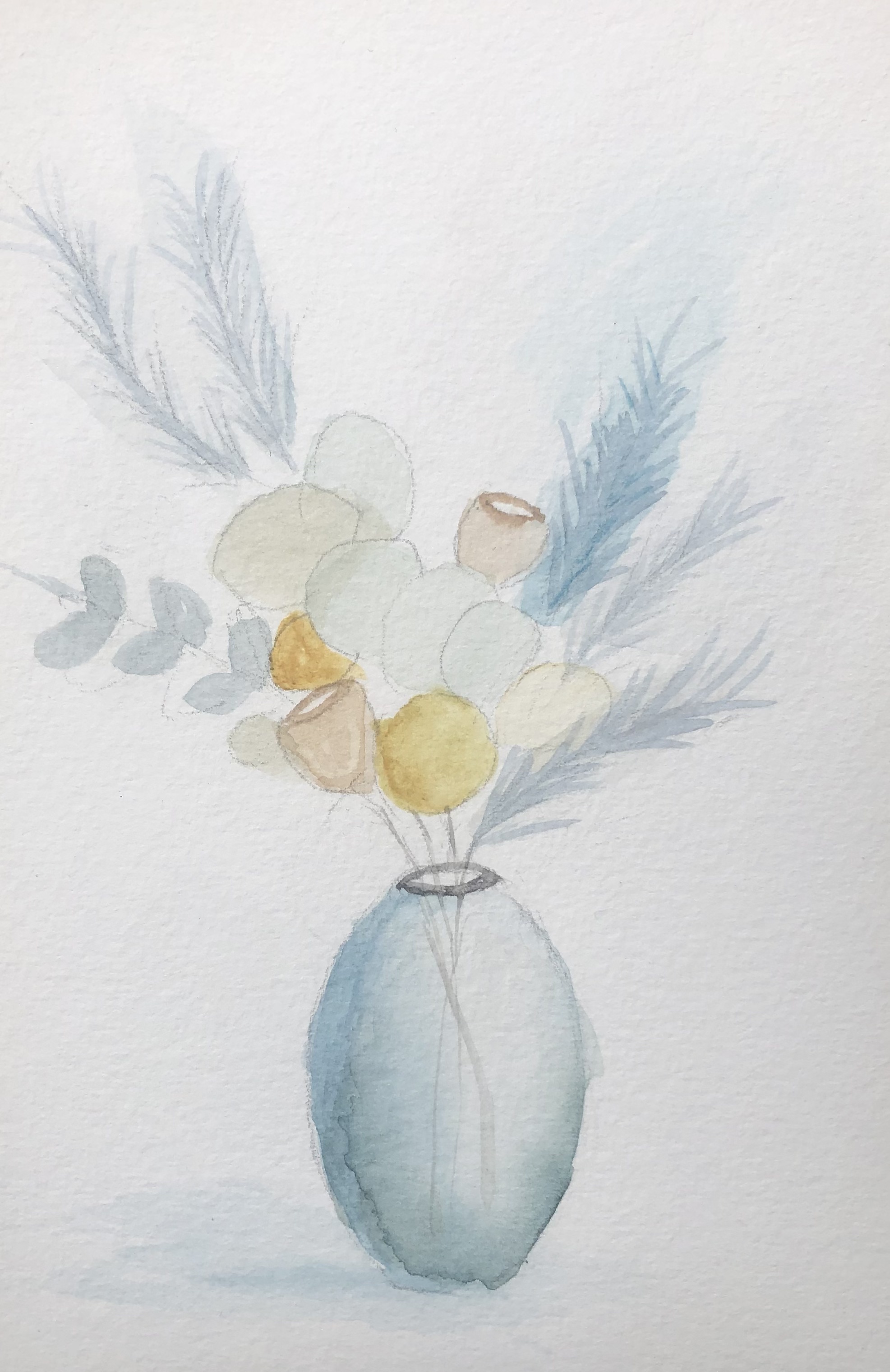
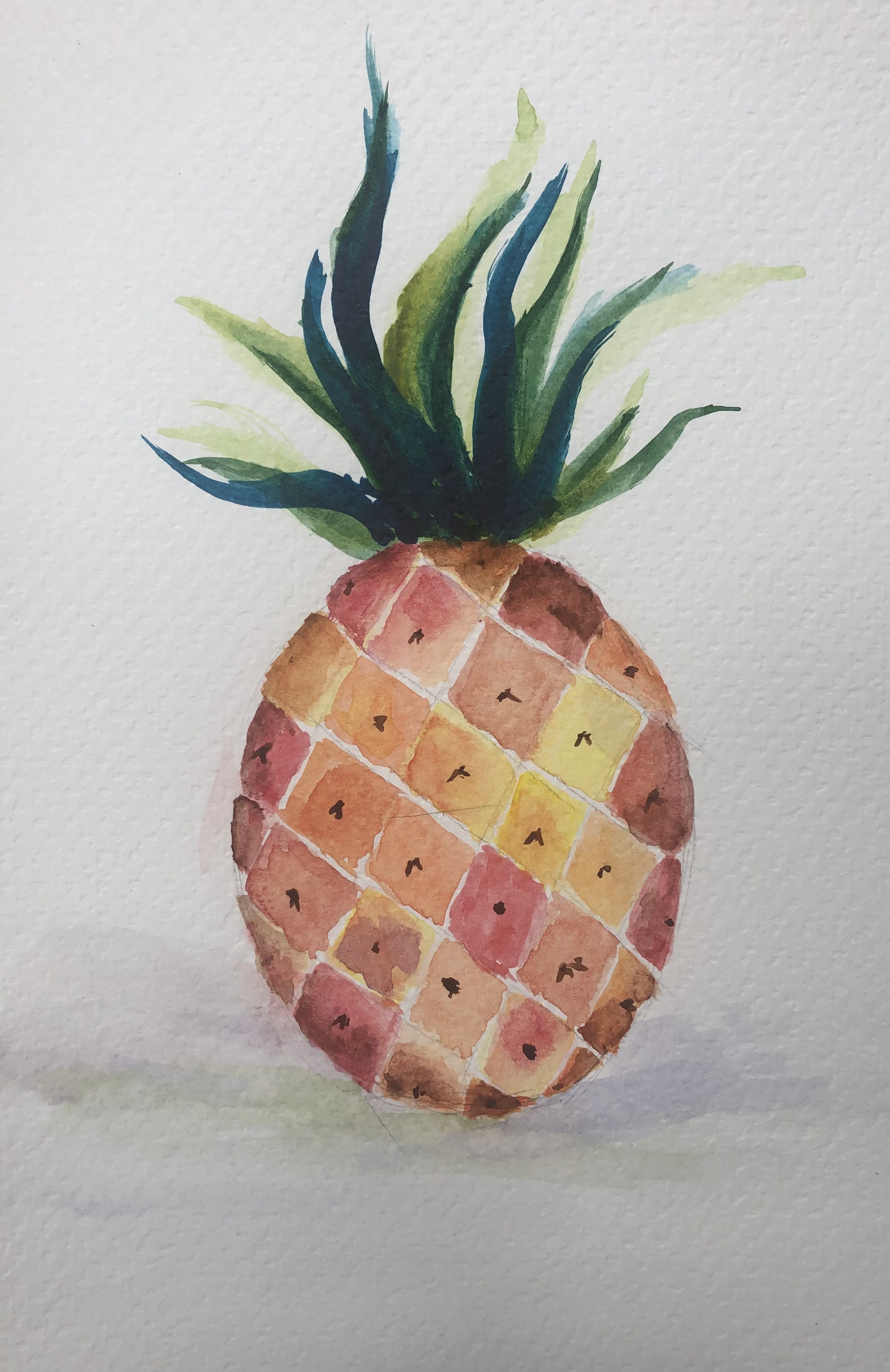

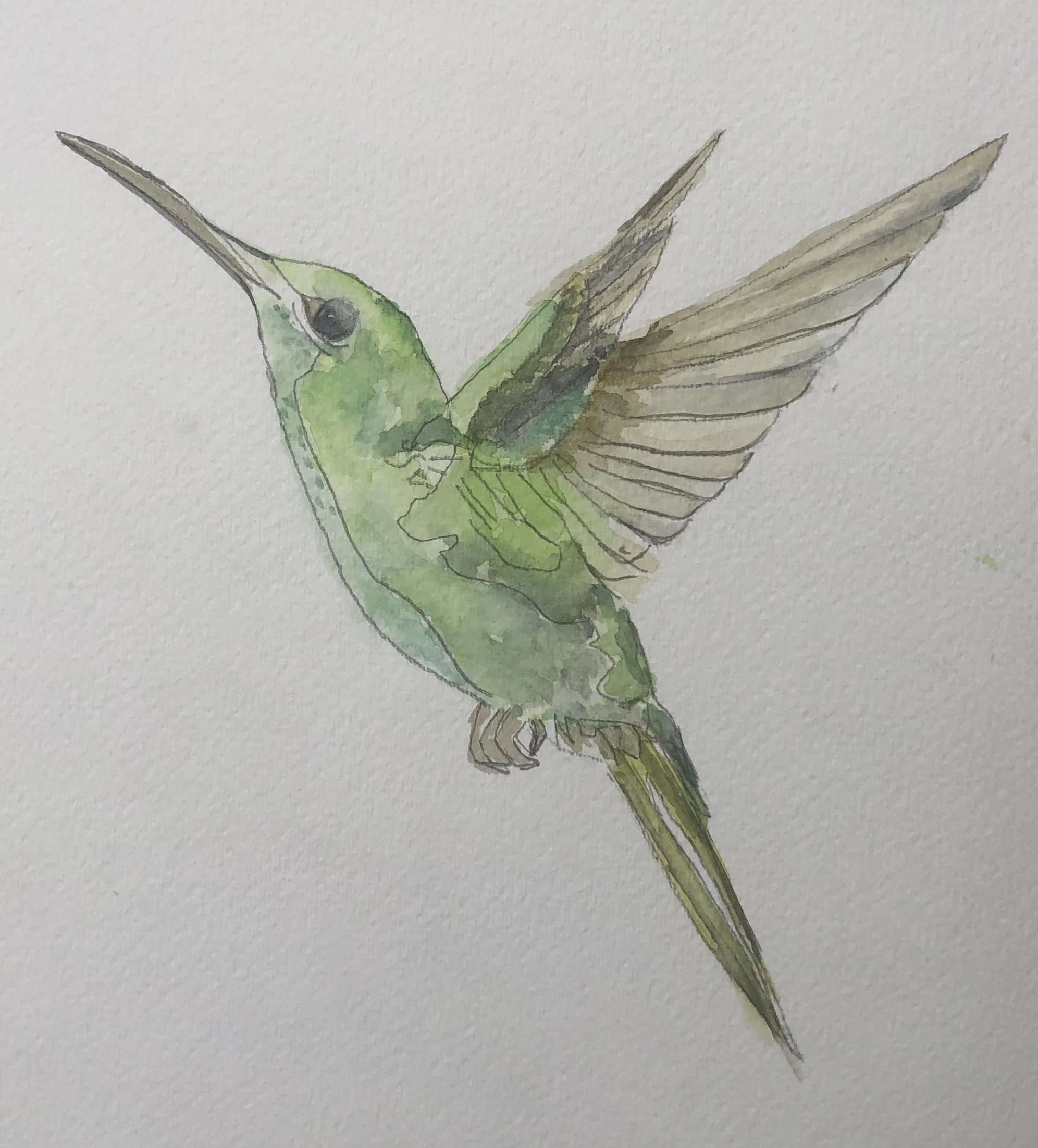


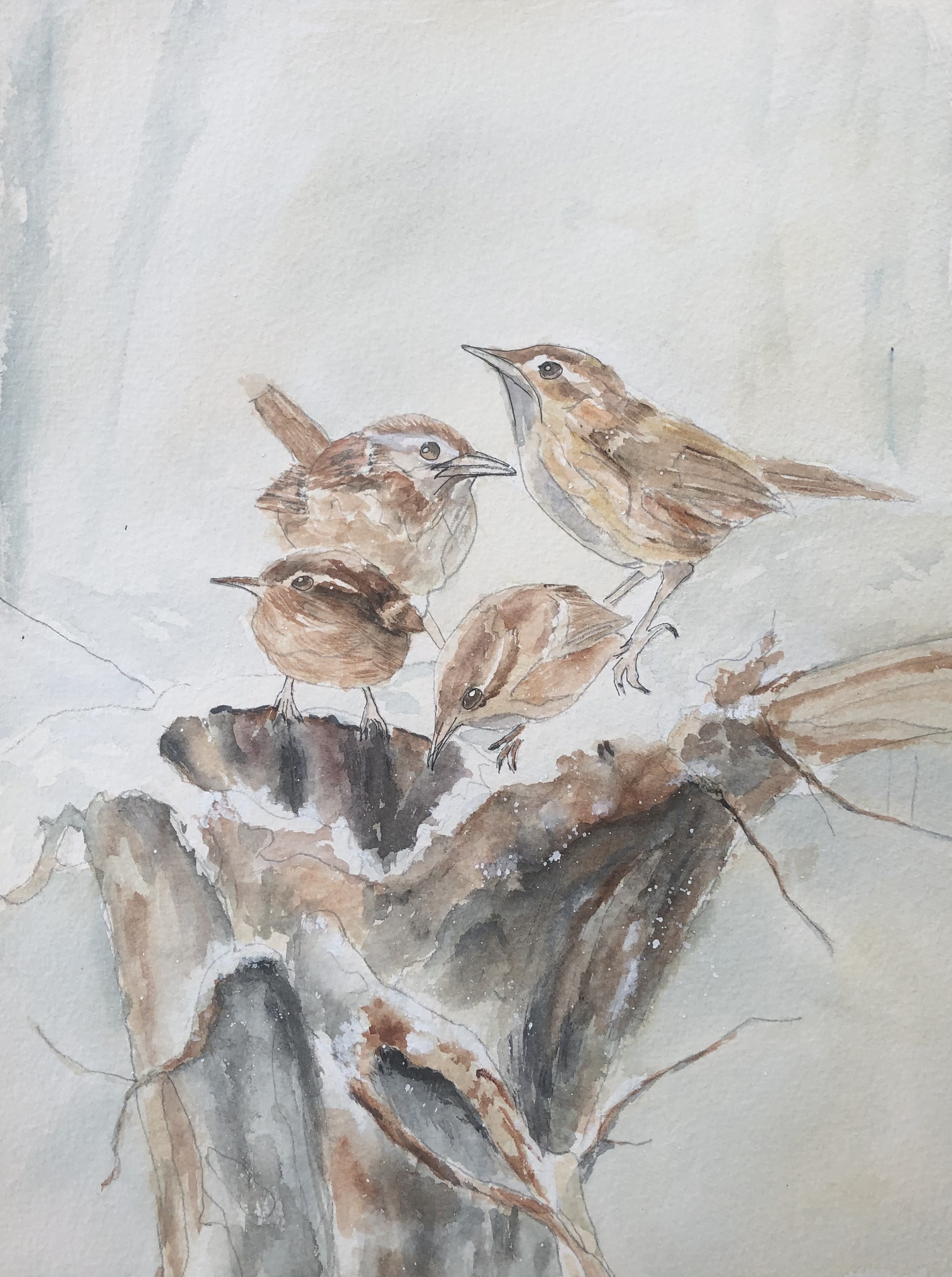


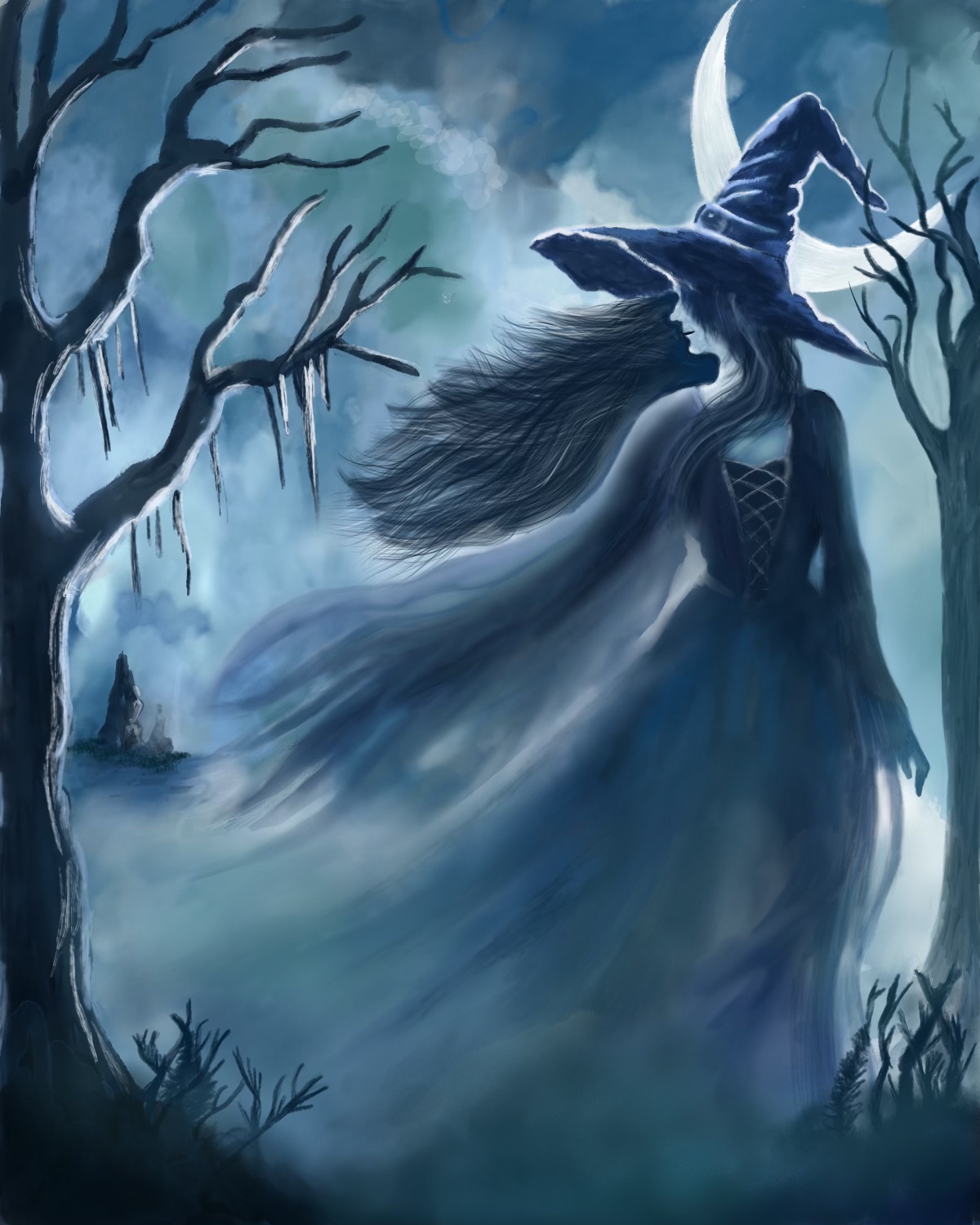
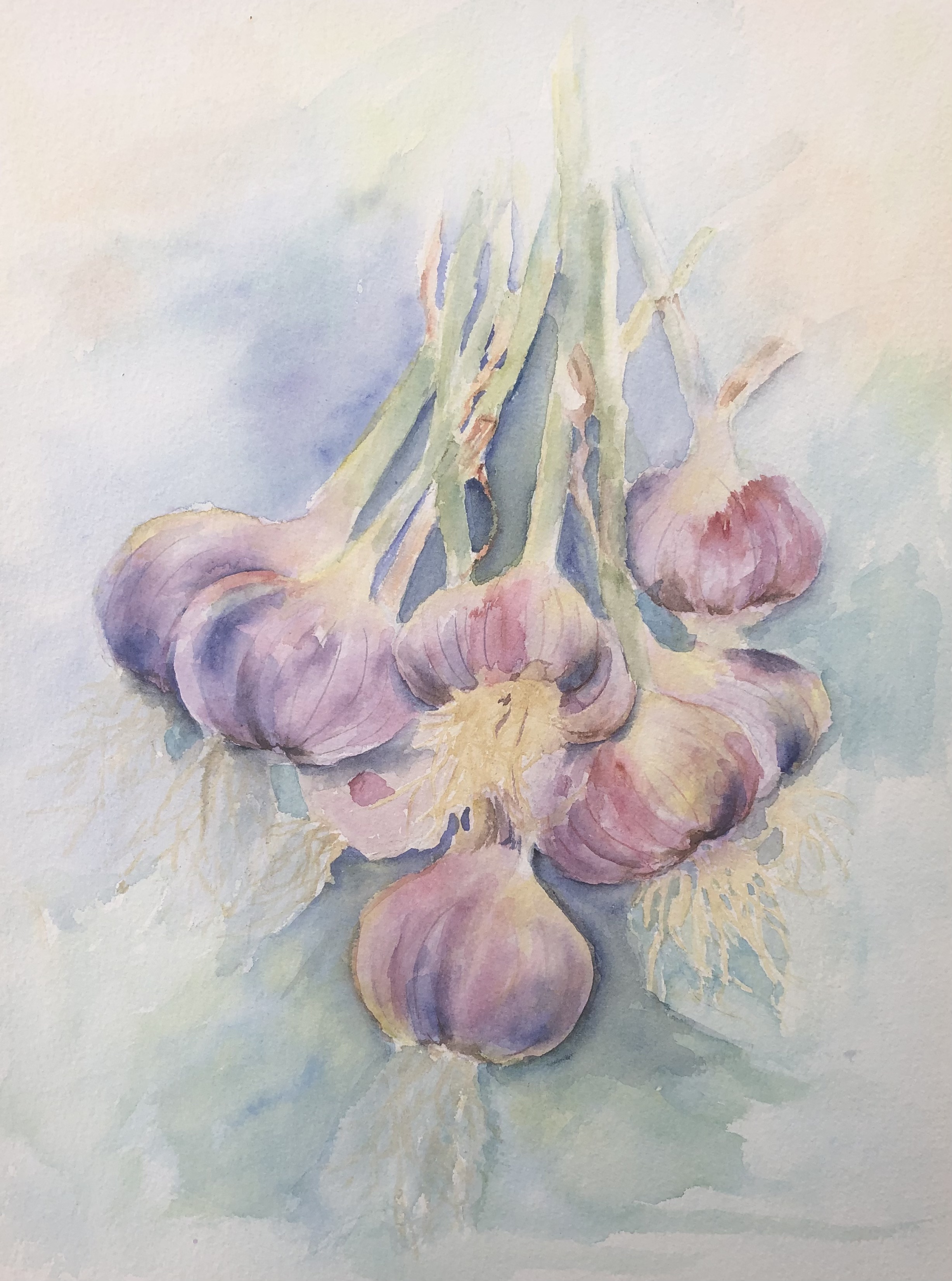
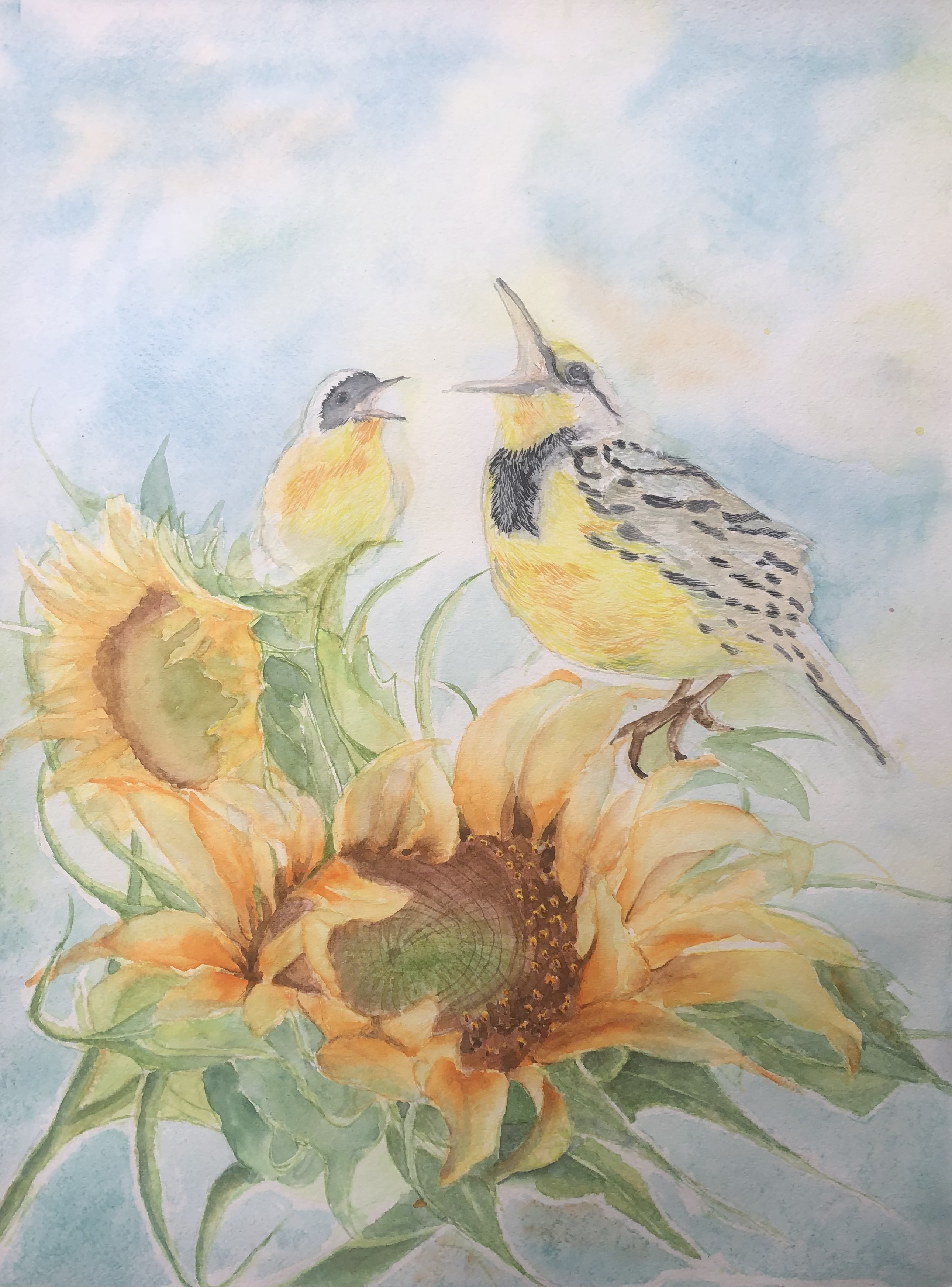

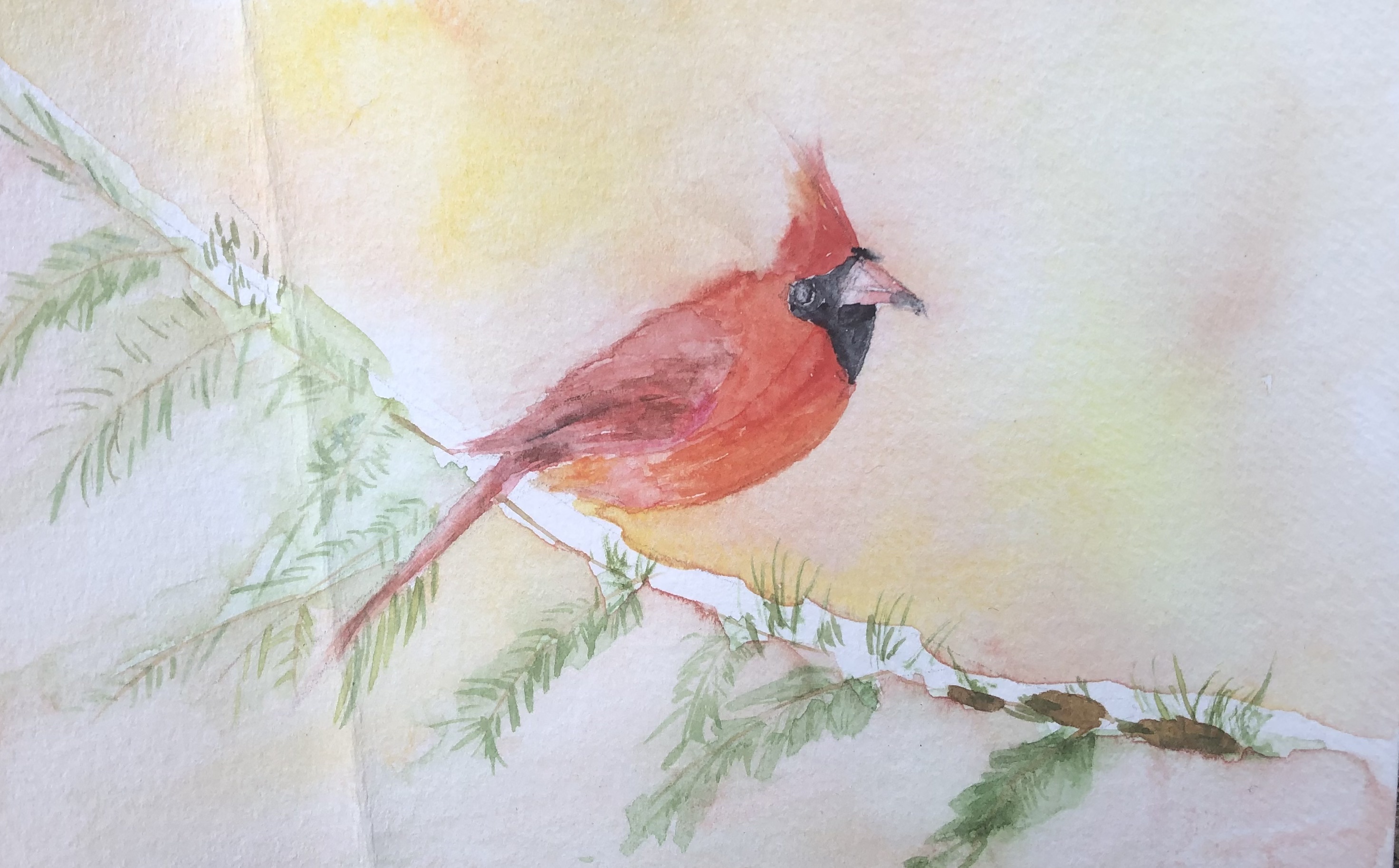
 Kelli Crockett Art